


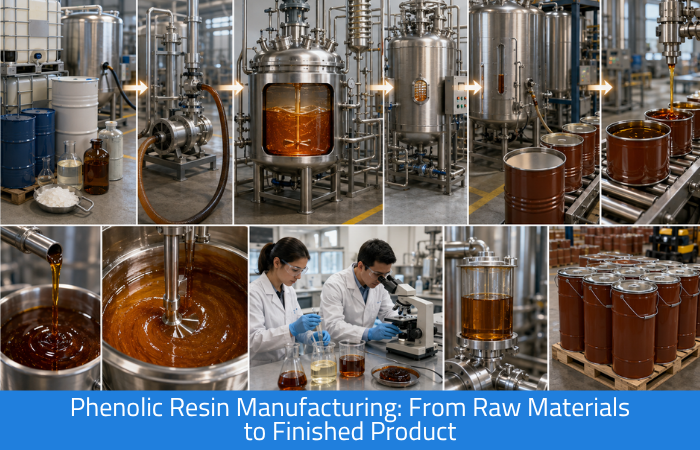
Understanding how phenolic resin is manufactured, from raw material selection through the final packaged product, helps buyers and formulators appreciate the quality control considerations that...
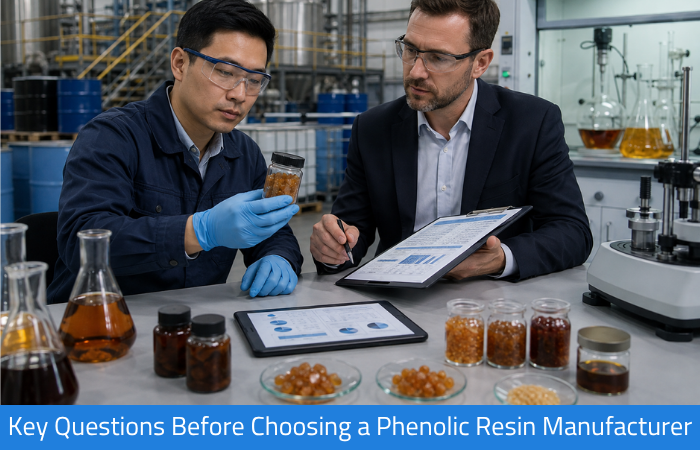
Ordering phenolic resin for the first time from a new supplier, or evaluating whether to switch phenolic resin manufacturers, requires asking the right technical and commercial questions to avoid...
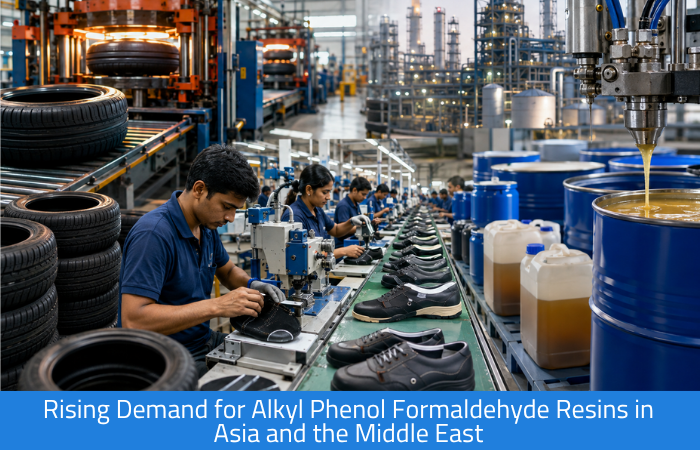
Asia and the Middle East have become increasingly important regions for alkyl phenol formaldehyde resin demand, driven by expanding tire manufacturing, growing footwear production and rising...
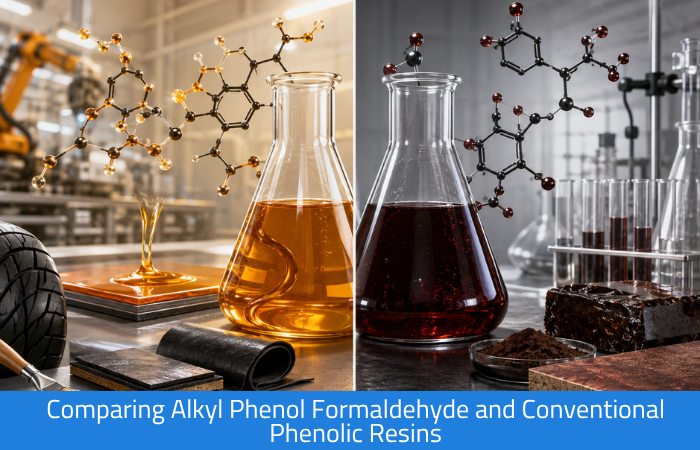
Phenolic resin chemistry spans a wide family of products, and formulators frequently need to distinguish between alkyl phenol formaldehyde resin and conventional, unmodified phenolic resin when...
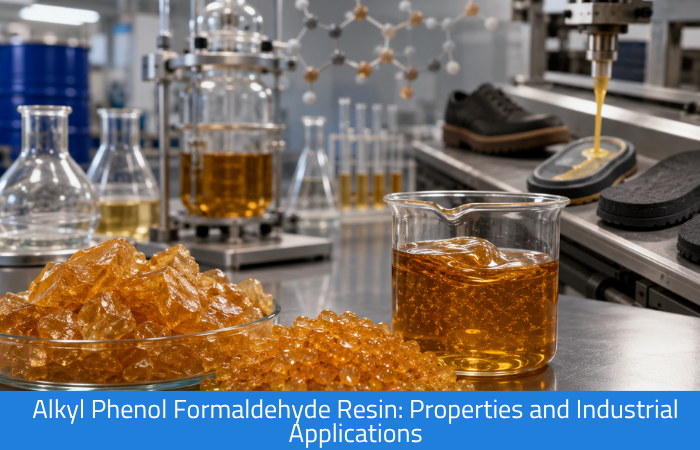
Alkyl phenol formaldehyde resin is a specialty phenolic resin produced by reacting alkyl substituted phenols with formaldehyde, resulting in a versatile chemistry used extensively across rubber...
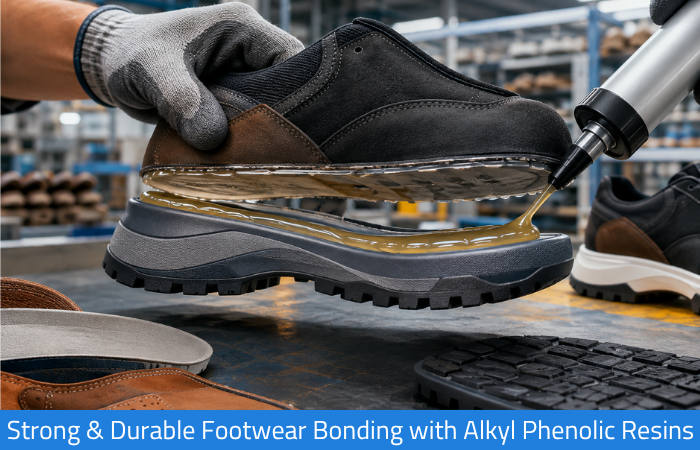
Footwear manufacturing depends heavily on strong, durable adhesive bonds between soles, uppers and various component materials, and alkyl phenolic resin has become a foundational ingredient in the...
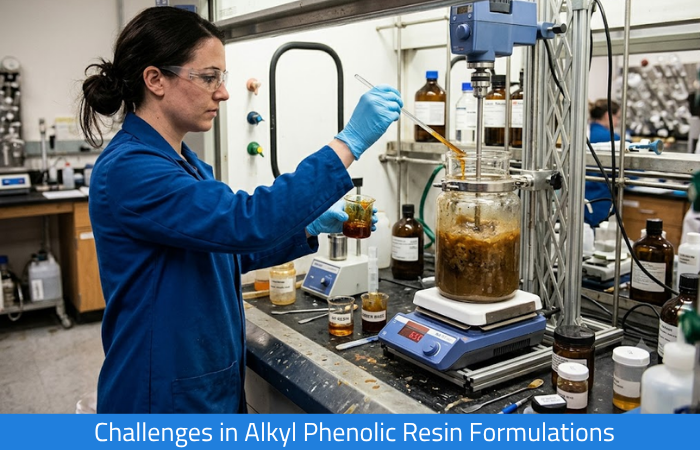
Alkyl phenolic resin is a valuable tackifying and reinforcing resin used extensively in rubber based adhesives, footwear bonding compounds and various industrial formulations, but working with this...
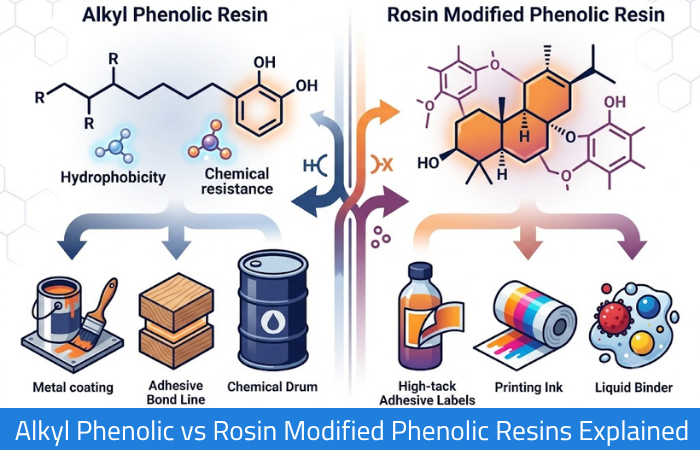
Formulators working with phenolic based binder systems often need to choose between alkyl phenolic resin and rosin modified phenolic resin, two closely related but chemically distinct product families...

UV curable urethane acrylate technology continues to evolve rapidly as coating manufacturers seek faster cure speeds, lower environmental impact and expanded application possibilities beyond...

UV curable coatings have become a preferred technology across wood finishing, printing inks, electronics and industrial coatings because they cure in seconds under ultraviolet light rather than hours...
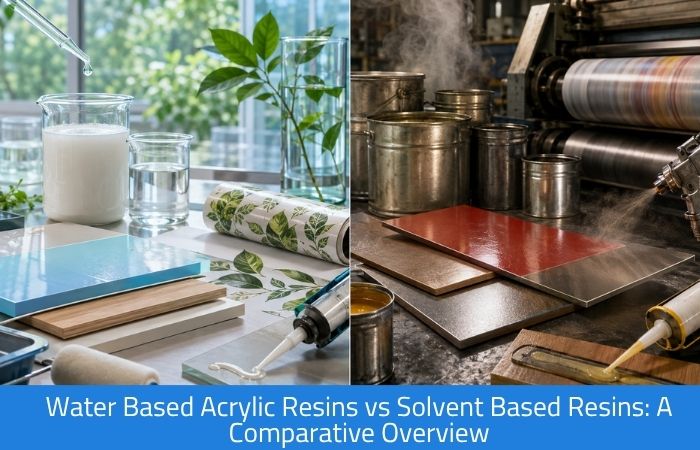
Formulators across coatings, inks and adhesives industries regularly face a decision between water based acrylic resin and solvent based resin systems, a choice that affects environmental compliance...
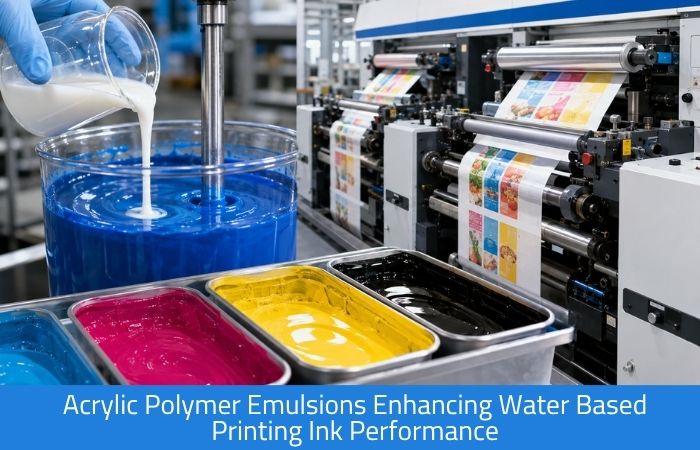
Water based printing inks have grown steadily in popularity across packaging, publication and commercial printing segments, driven by environmental regulations and growing demand for lower solvent...
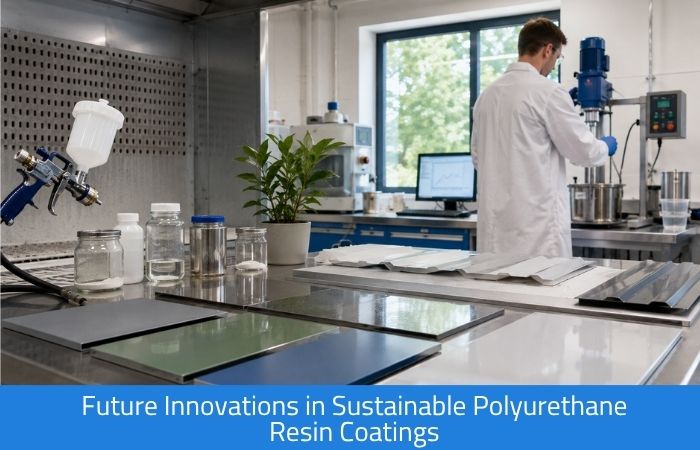
Sustainability has moved from a niche consideration to a central requirement in coating formulation, and polyurethane resin technology is evolving quickly to meet this shift without sacrificing the...
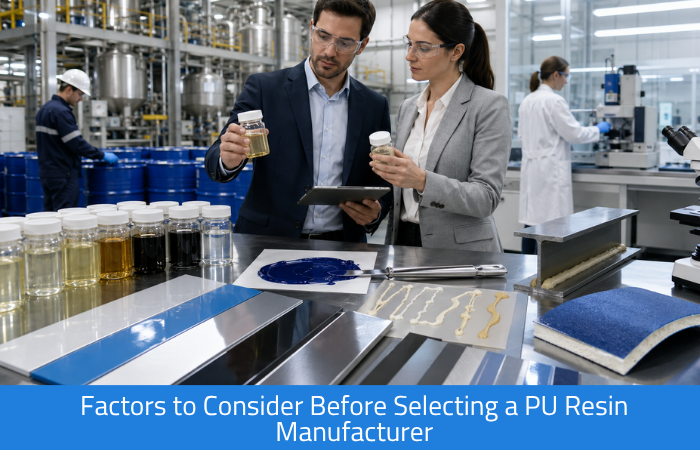
Choosing the right polyurethane resin manufacturer is a decision that affects product quality, production consistency and long term cost across every application that depends on PU resin, from...
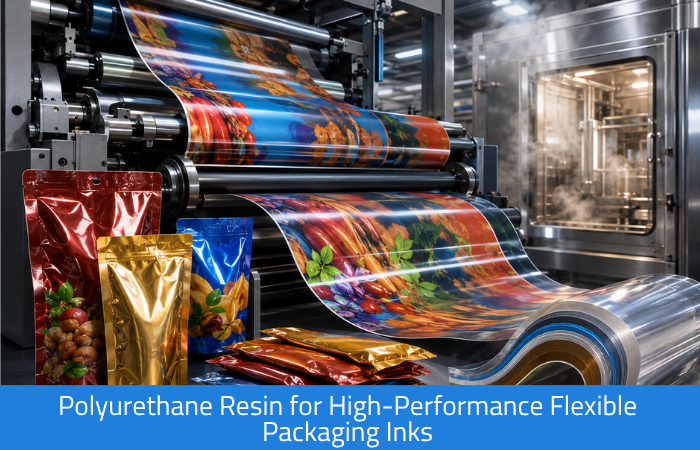
Flexible packaging inks must deliver strong adhesion, high gloss, good flexibility and resistance to lamination and retort processing, all while running smoothly on high speed printing presses...
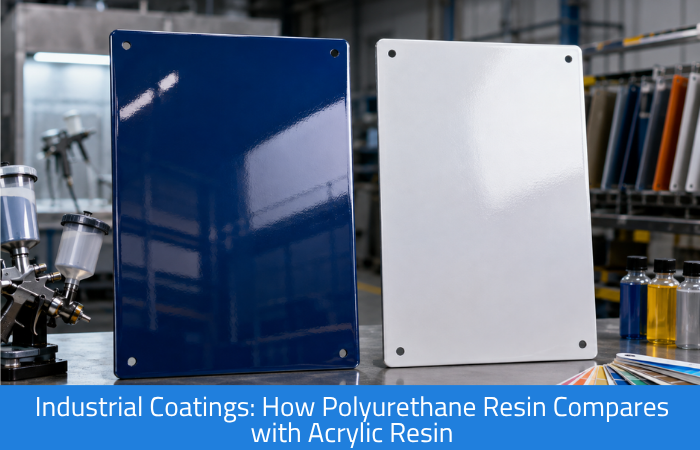
Formulators developing industrial coatings frequently face a choice between polyurethane resin and acrylic resin as the primary film forming binder, since each chemistry offers a different balance of...
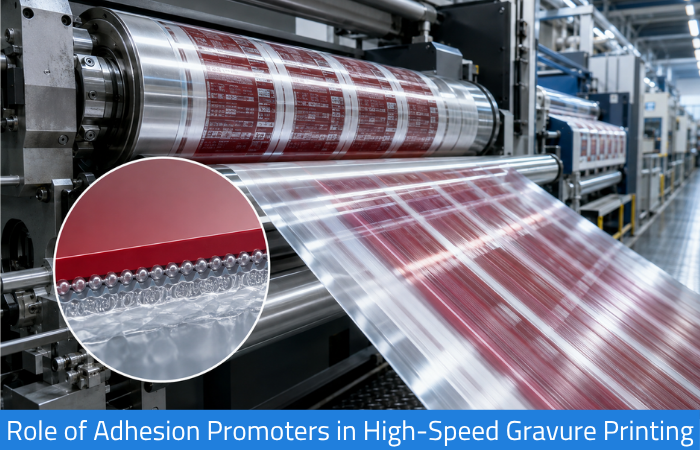
Gravure printing runs at very high press speeds, often exceeding several hundred meters per minute, which places unique demands on ink formulation and substrate adhesion. At these speeds, ink must...
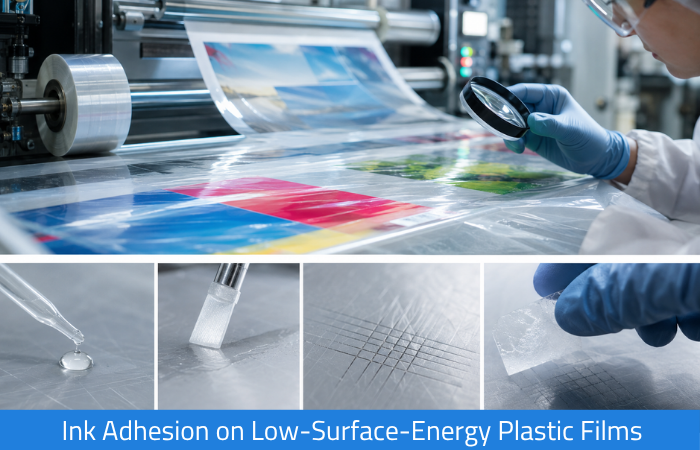
Printing on plastic films such as polyethylene, polypropylene and certain treated polyesters presents a persistent challenge for the flexible packaging and printing ink industry, because these...