


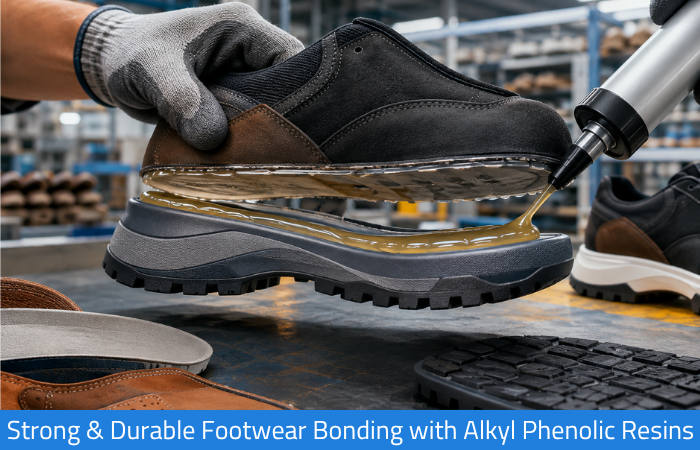
Footwear manufacturing depends heavily on strong, durable adhesive bonds between soles, uppers and various component materials, and alkyl phenolic resin has become a foundational ingredient in the rubber based adhesive systems that make these bonds possible. From sports shoes to formal footwear, the adhesive bond must withstand repeated flexing, temperature variation and mechanical stress throughout the product’s wear life without failing. This article examines the specific performance benefits that alkyl phenolic resin brings to footwear adhesive formulations and why it remains a preferred tackifying resin across the footwear manufacturing industry.
Strong Initial Tack for Footwear Assembly Operations
Footwear assembly lines require adhesives that develop strong initial tack quickly, allowing components to be positioned and bonded efficiently without excessive open time that would slow production throughput. Alkyl phenolic resin is particularly effective at providing this rapid tack development when incorporated into rubber based adhesive formulations, helping footwear manufacturers maintain fast assembly line speeds while still achieving reliable bond strength. This tackifying performance is especially important for sole attachment operations, where the adhesive must hold components in position under light pressure before the bond fully develops, reducing the risk of misalignment or bond failure during the critical assembly stage.
Heat Resistance for Footwear Manufacturing Processes
Many footwear manufacturing processes involve heat activation or vulcanization steps that expose the adhesive bond to elevated temperatures during production, making heat resistance a critical performance requirement for any tackifying resin used in footwear applications. Alkyl phenolic resin offers notably better heat resistance compared with many alternative tackifying resins, allowing the adhesive bond to withstand these processing temperatures without softening or losing bond integrity. This heat resistance advantage also extends to the finished product’s service life, since footwear can be exposed to elevated temperatures during storage, transport or wear in hot climates, and a heat stable alkyl phenolic resin based adhesive helps ensure the bond remains reliable across these varied real world conditions.
Adhesion to Diverse Footwear Substrate Materials
Modern footwear construction combines a wide range of materials, including natural and synthetic rubber, various plastics, leather and textile components, each presenting different surface characteristics that an adhesive must bond to reliably. Alkyl phenolic resin’s compatibility with multiple rubber base polymers makes it a versatile choice for adhesive formulators developing bonding systems that must perform consistently across this diverse substrate mix. This versatility reduces the need for footwear manufacturers to maintain multiple specialized adhesive formulations for different material combinations, simplifying production logistics while maintaining consistent bond quality across different shoe components and styles.
Long Term Durability and Flex Fatigue Resistance
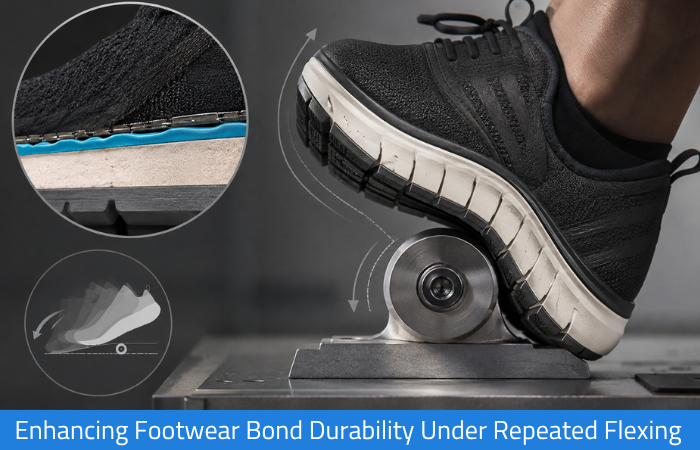
Footwear undergoes constant flexing during normal wear, and the adhesive bond between sole and upper must resist fatigue failure over thousands of flex cycles without delaminating or cracking. Alkyl phenolic resin contributes to the flexibility and toughness of the cured adhesive film, helping footwear adhesives maintain bond integrity through repeated flexing rather than becoming brittle and failing prematurely. This durability characteristic is particularly important for athletic and sports footwear, where the sole to upper bond experiences significant mechanical stress during running, jumping and other high impact activities, making reliable long term adhesion a critical quality and safety consideration for footwear brands.
Resistance to Aging and Environmental Exposure
Footwear products are often stored for extended periods before sale and then worn across varying environmental conditions including humidity, temperature fluctuation and exposure to moisture, all of which can degrade adhesive bonds over time if the resin system is not formulated for durability. Alkyl phenolic resin based adhesives generally demonstrate good resistance to aging and environmental exposure, helping maintain bond strength throughout the product’s shelf life and extended wear period. Footwear manufacturers benefit from this aging resistance because it reduces the risk of warranty claims or product returns related to sole separation, a common failure mode in footwear that inadequate adhesive formulation can significantly worsen.
Our Other Products
Water Base Acrylic EmulsionCompatibility With Solvent Based and Water Based Adhesive Systems
Footwear adhesive formulators work with both solvent based and, increasingly, water based adhesive systems as the industry responds to environmental regulations and worker safety considerations. Alkyl phenolic resin can be incorporated into various adhesive carrier systems, offering formulators flexibility as they transition portions of their production toward lower solvent content formulations without sacrificing the tackifying and heat resistance benefits that make this resin valuable in footwear applications. Formulators exploring this transition should work closely with their alkyl phenolic resin supplier to confirm compatibility with the specific water based or reduced solvent carrier system being developed, since not all resin grades perform identically across different adhesive platforms.
Formulating for Different Footwear Categories
Different categories of footwear place different demands on the adhesive system, and alkyl phenolic resin dosage and grade selection often needs to be adjusted depending on whether the product is athletic footwear, casual shoes or formal dress footwear. Athletic footwear typically requires adhesives optimized for maximum flex fatigue resistance and impact durability given the intense mechanical stress these products endure, while formal footwear may prioritize a cleaner, lighter colored bond line since aesthetic presentation matters more in these product categories. Adhesive formulators working across multiple footwear segments should maintain a clear understanding of how alkyl phenolic resin dosage and grade selection shifts these performance and appearance characteristics, allowing them to tailor formulations appropriately for each specific footwear category rather than relying on a single generic adhesive formula across the entire product range.
Balancing Cost Efficiency With Adhesive Performance in Footwear Production
Footwear manufacturing operates on tight margins in many market segments, making cost efficiency an important consideration alongside performance when formulating adhesives with alkyl phenolic resin. Formulators must balance resin dosage against material cost, since increasing tackifier content generally improves bond performance but also raises formulation cost, requiring careful optimization to find the dosage level that meets quality requirements without unnecessary expense. Footwear brands and their adhesive suppliers often collaborate closely on this balance, using performance testing data from actual production conditions to identify the minimum effective alkyl phenolic resin dosage that still delivers the durability and heat resistance required for the specific footwear product being manufactured.
Supporting Consistent Quality Across Large Scale Footwear Production
Footwear manufacturing often operates at very large production volumes, particularly for global sports and casual footwear brands, making batch to batch consistency in adhesive raw materials essential for maintaining quality standards across millions of pairs produced annually. Alkyl phenolic resin sourced from a reliable manufacturer with strong quality control processes helps footwear adhesive formulators avoid the production disruptions and quality variation that can arise from inconsistent raw material properties such as softening point or tack development. This consistency becomes increasingly important as footwear brands implement stricter quality auditing and traceability requirements across their global supply chains.
Quality Testing Standards Used in Footwear Bonding
Footwear brands and manufacturers typically rely on standardized peel strength and flex fatigue testing protocols to validate adhesive performance before a new formulation or resin grade is approved for production use. These tests simulate the repeated flexing and mechanical stress that footwear experiences during actual wear, providing a more reliable indicator of real world durability than simple bond strength measurements taken immediately after assembly. Adhesive formulators working with alkyl phenolic resin should align their internal testing protocols with the specific standards required by their footwear brand customers, since different brands and regions sometimes apply different test methods and acceptance criteria for sole bonding durability.
Our Other Products
Rosin Modified Phenolic ResinPartnering With a Reliable Alkyl Phenolic Resin Manufacturer
Because footwear adhesive performance depends so directly on consistent alkyl phenolic resin quality, footwear adhesive manufacturers benefit significantly from partnering with an experienced resin supplier who understands the specific demands of this application. Tridev Group is a leading resins manufacturer that supplies high-performance tackifiers and bonding polymers, supporting adhesive formulators who serve the footwear manufacturing industry with the heat resistance, tack and durability performance that reliable sole bonding requires. Sourcing directly from an established phenolic resin manufacturer also provides access to technical support for troubleshooting formulation challenges as footwear designs and material combinations continue to evolve. Brands entering new footwear categories or working with unfamiliar upper and sole material combinations particularly benefit from this kind of early technical collaboration, since it can prevent costly bonding failures from surfacing only after full scale production has already begun.
Alkyl phenolic resin delivers a combination of strong initial tack, heat resistance, substrate versatility and long term durability that makes it an essential ingredient in footwear adhesive formulations worldwide. Footwear manufacturers and adhesive formulators who understand these performance benefits, and who source consistent quality alkyl phenolic resin from an experienced manufacturer such as Tridev Group, are well positioned to produce footwear bonds that meet the demanding performance and durability expectations of today’s footwear market.
- Phenolic Resin Manufacturing Process: From Raw Material to Finished Product
- Questions to Ask a Phenolic Resin Manufacturer Before Placing an Order
- Alkyl Phenol Formaldehyde Resins Market Demand in Asia and Middle East
- Alkyl Phenol Formaldehyde Resin vs Conventional Phenolic Resin
- What Is Alkyl Phenol Formaldehyde Resin and Where Is It Used