


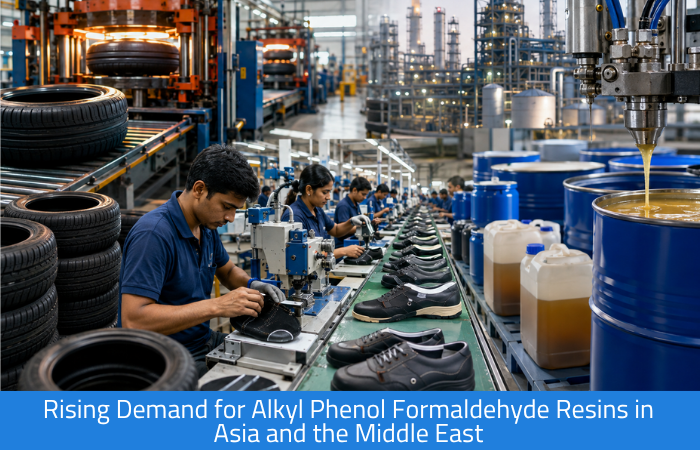
Asia and the Middle East have become increasingly important regions for alkyl phenol formaldehyde resin demand, driven by expanding tire manufacturing, growing footwear production and rising industrial adhesive consumption across these fast developing economies. Understanding the regional dynamics shaping this demand helps resin manufacturers, buyers and industry stakeholders anticipate supply chain needs and market opportunities. This article examines the key factors driving alkyl phenol formaldehyde resin demand across Asia and the Middle East and what these trends mean for the broader phenolic resin industry.
Tire Manufacturing Growth Driving Resin Demand in Asia
Asia remains the largest tire manufacturing region globally, with major production hubs in India, China, Thailand and Indonesia continuing to expand capacity to serve both domestic vehicle markets and export demand. This sustained growth in tire manufacturing directly translates into rising demand for alkyl phenol formaldehyde resin, since resole type grades are essential bonding agents that improve adhesion between rubber compounds and reinforcing materials such as steel cord and textile fabric within tire construction. As automotive production and replacement tire demand continue expanding across the region, tire manufacturers require reliable, consistent supply of alkyl phenol formaldehyde resin to support their production schedules, making regional resin manufacturing capacity an increasingly important supply chain consideration.
Footwear Manufacturing Concentration Across South and Southeast Asia
The global footwear manufacturing industry has increasingly concentrated production across South and Southeast Asia, with countries such as India, Vietnam, Indonesia and Bangladesh becoming major hubs for both domestic and export oriented footwear production. This concentration of footwear manufacturing capacity drives substantial demand for alkyl phenol formaldehyde resin used as a tackifying resin in rubber based footwear adhesives, since these facilities require consistent, high quality resin supply to maintain the bonding performance that global footwear brands demand. As footwear brands continue diversifying their manufacturing base across this region to manage supply chain risk, resin suppliers with established regional presence and reliable logistics capability are well positioned to capture this growing demand.
Read Our Article
Alkyl Phenol Formaldehyde Resin vs Conventional Phenolic ResinIndustrial and Construction Adhesive Growth in the Middle East
The Middle East presents a different but complementary demand driver for alkyl phenol formaldehyde resin, rooted in rapid infrastructure development, construction activity and growing industrial manufacturing across countries such as Saudi Arabia, the United Arab Emirates and Egypt. Evaluating trade dynamics among leading phenolic resin suppliers south africa and Middle Eastern distributors reveals how regional bonding systems increasingly incorporate alkyl phenol formaldehyde resin for its heat resistance and adhesion properties, particularly given the extreme temperature conditions common across the desert climate that place additional demands on adhesive performance. As regional governments continue investing heavily in infrastructure and diversification away from oil dependent economies, industrial adhesive demand, and the resin chemistries that support it, is expected to continue growing steadily.
Automotive Aftermarket and Replacement Parts Demand
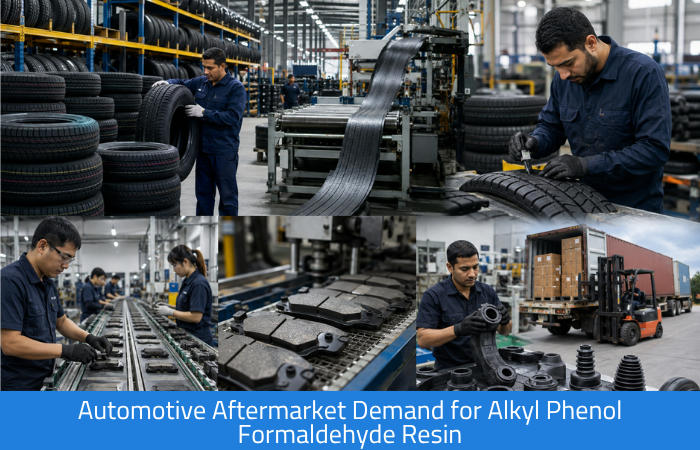
Beyond original equipment tire manufacturing, the growing automotive aftermarket across both Asia and the Middle East contributes additional demand for alkyl phenol formaldehyde resin through replacement tire production, brake lining manufacturing and various rubber component remanufacturing activities. As vehicle fleets across these regions continue expanding, driven by rising middle class populations and infrastructure development, the replacement parts market for tires, brake linings and other rubber bonded components grows in parallel, sustaining long term demand for the resin chemistries that support these products. This aftermarket demand tends to be more stable and less cyclical than original equipment manufacturing demand, providing resin manufacturers with a more predictable baseline of consumption even during periods when new vehicle production may slow.
Export Oriented Manufacturing and Regional Supply Chain Advantages
Many manufacturers across Asia, particularly in India, have built substantial export oriented production capacity for rubber goods, footwear and industrial adhesives, positioning the region as both a major consumer and a significant exporter of products that depend on alkyl phenol formaldehyde resin as a raw material. Partnering with established synthetic resins exporters allows international buyers to navigate these dual market dynamics effectively, ensuring consistent quality and reliable delivery schedules to support customers who are themselves competing in demanding global trade corridors. Buyers operating within this export supply chain benefit significantly from sourcing alkyl phenol formaldehyde resin from regional manufacturers who understand these quality and logistics requirements rather than relying solely on longer distance international supply chains with extended lead times.
Our Other Products
Rosin Modified Ester GumImpact of Raw Material Availability on Regional Pricing
Alkyl phenol formaldehyde resin production depends on petrochemical derived alkylphenol and formaldehyde feedstocks, and regional pricing across Asia and the Middle East can fluctuate based on availability and cost of these raw materials, which are themselves tied to broader petrochemical market dynamics. Buyers in the region should monitor these upstream feedstock trends when planning procurement budgets, since periods of tight alkylphenol supply or formaldehyde price volatility can affect resin pricing and availability across the region with relatively little advance warning. Adapting to shifts across the global resin supply chain can help buyers navigate these periodic market fluctuations more smoothly than relying on spot market purchases during periods of tight supply.
Growing Domestic Consumption Alongside Export Demand
While much of the tire and footwear production across Asia serves export markets, domestic consumption within these same countries is also rising steadily, driven by expanding middle class populations, increasing vehicle ownership and growing domestic footwear and consumer goods markets. This dual demand structure, combining strong export oriented manufacturing with rising domestic consumption, creates a particularly robust and diversified demand base for alkyl phenol formaldehyde resin across the region compared with markets that depend primarily on a single demand driver. Resin manufacturers serving this region benefit from this diversification, since a slowdown in export demand from one particular international market is less likely to significantly disrupt overall regional resin consumption when domestic demand continues growing independently.
Regulatory and Environmental Trends Shaping Regional Demand
Environmental regulations across Asia and the Middle East continue evolving, with growing attention to formaldehyde emission control and worker safety standards influencing how alkyl phenol formaldehyde resin is manufactured and handled across the region. Manufacturers who proactively invest in cleaner production processes and reduced emission formulations are increasingly well positioned to serve customers operating under tightening environmental compliance requirements, particularly those supplying international brands with strict sustainability and safety expectations for their supply chains. This regulatory trend is likely to continue shaping which resin manufacturers gain preferred supplier status among major tire, footwear and industrial adhesive customers across the region in the coming years.
Read Our Article
What Is Alkyl Phenol Formaldehyde Resin and Where Is It UsedCompetitive Landscape and Regional Manufacturing Capacity
The competitive landscape for alkyl phenol formaldehyde resin across Asia and the Middle East includes both established regional manufacturers and international suppliers competing for market share, with regional manufacturers often holding advantages in logistics, lead time and understanding of local customer requirements. Buyers evaluating resin suppliers in this competitive environment should weigh factors including production capacity, quality consistency, technical support responsiveness and proximity to their own manufacturing facilities when selecting a long term supply partner. Working directly with experienced phenolic resin manufacturers in india ensures stable lead times and tailored technical support to match specific production criteria.
Infrastructure Investment and Its Ripple Effect on Resin Demand
Large scale infrastructure projects across the Middle East, including transportation networks, industrial zones and urban development initiatives, generate substantial secondary demand for rubber based products such as expansion joints, industrial flooring adhesives and vibration dampening components that rely on alkyl phenol formaldehyde resin as a key formulation ingredient. This ripple effect means that infrastructure spending announcements and construction sector growth figures can serve as useful leading indicators for future resin demand in the region, even before the connection to phenolic resin consumption becomes obvious from headline industry statistics. Resin manufacturers and buyers who track these broader economic indicators alongside direct customer forecasts tend to anticipate regional demand shifts more accurately than those relying solely on historical order patterns.
Our Other Products
UV OligomersPositioning for Continued Regional Growth
Tridev Group is an established resins manufacturer that supplies high-performance alkyl phenolic resin serving customers across India and broader Asian and Middle Eastern markets, supporting rubber compounding, tire manufacturing and adhesive applications with the consistent quality and technical support that regional demand growth requires. As tire manufacturing, footwear production and industrial adhesive consumption continue expanding across these regions, buyers seeking a reliable alkyl phenol formaldehyde resin supply partner benefit from working with manufacturers who understand both the technical requirements and the logistics realities of serving these fast growing markets. Buyers who establish these relationships early, before demand pressures tighten regional supply further, generally secure more favorable terms and priority allocation during periods of high market demand.
Market demand for alkyl phenol formaldehyde resin across Asia and the Middle East continues to be shaped by strong tire manufacturing growth, expanding footwear production, rising construction and industrial adhesive consumption and evolving regulatory expectations. Buyers and manufacturers who understand these regional dynamics, and who build supply relationships with capable regional partners such as Tridev Group, are best positioned to navigate this growing and increasingly important market for alkyl phenol formaldehyde resin.
- Phenolic Resin Manufacturing Process: From Raw Material to Finished Product
- Questions to Ask a Phenolic Resin Manufacturer Before Placing an Order
- Alkyl Phenol Formaldehyde Resins Market Demand in Asia and Middle East
- Alkyl Phenol Formaldehyde Resin vs Conventional Phenolic Resin
- What Is Alkyl Phenol Formaldehyde Resin and Where Is It Used