


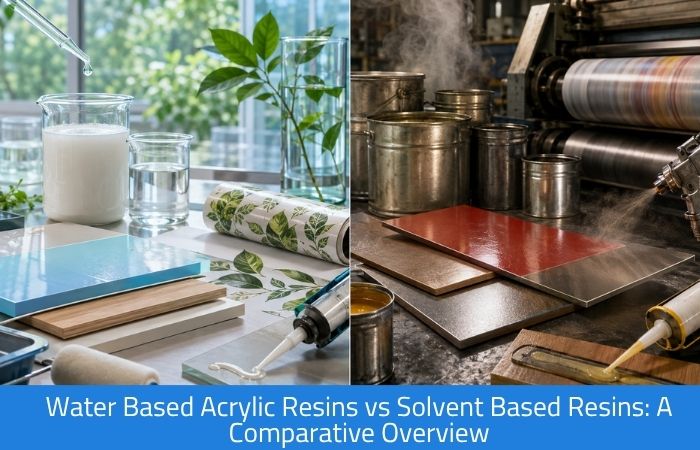
Formulators across coatings, inks and adhesives industries regularly face a decision between water based acrylic resin and solvent based resin systems, a choice that affects environmental compliance, application performance and overall production cost. As regulations around volatile organic compound emissions tighten globally, water based acrylic resin has gained substantial ground, but solvent based resin systems still hold performance advantages in certain applications. This article compares the two resin systems across the factors that matter most to formulators deciding which chemistry best fits their specific project.
Environmental Impact and Regulatory Compliance
The most significant advantage of water based acrylic resin over solvent based resin is the dramatic reduction in volatile organic compound emissions during manufacturing and application. Water based acrylic resin systems use water as the primary carrier instead of organic solvents, substantially lowering air quality impact and reducing the health and safety risks associated with solvent exposure for production workers and applicators. Solvent based resin systems, while often still permitted under current regulations in many regions, face increasing scrutiny and stricter emission limits, making water based acrylic resin the preferred choice for formulators operating in jurisdictions with aggressive environmental targets or for brand owners pursuing sustainability commitments across their supply chain.
Application Performance and Film Formation
Solvent based resin systems have traditionally offered certain application advantages, including faster drying in some formulations, better flow and leveling on challenging surfaces, and more predictable film formation across a wider range of ambient temperature and humidity conditions. Water based acrylic resin has closed much of this performance gap through advances in emulsion polymer technology, but formulators should still be aware that water based systems can be more sensitive to application conditions, particularly high humidity or low temperature environments that slow water evaporation and delay film formation. Understanding these application characteristics helps formulators select the resin system best suited to their specific production environment and end use requirements.
Adhesion and Substrate Wetting Differences
Solvent based resin systems generally wet substrates more easily due to the lower surface tension of organic solvents compared with water, which historically gave solvent based systems an adhesion advantage on low energy substrates such as certain plastics and metals. Water based acrylic resin formulations have improved significantly in this regard through the use of specialized surfactants and wetting agents, though formulators working with particularly challenging substrates may still need to incorporate an adhesion promoter or apply a primer coat to achieve reliable adhesion with a water based acrylic resin system. Testing adhesion performance on the actual substrate intended for production remains essential regardless of which resin system is selected, since generic technical data does not always predict real world results.
Durability and Chemical Resistance Comparison
Both water based acrylic resin and solvent based resin systems can achieve good durability and chemical resistance when properly formulated, though the specific performance profile differs between the two chemistries. Solvent based resin systems often develop a slightly denser film structure during drying, which can translate into marginally better resistance to certain solvents and chemicals in some formulations. Water based acrylic resin systems have made considerable progress in closing this gap, particularly in exterior weathering resistance and UV stability, making water based acrylic resin a strong performer for architectural and outdoor applications where long term appearance retention matters as much as chemical resistance.
Cost Considerations Between the Two Resin Systems
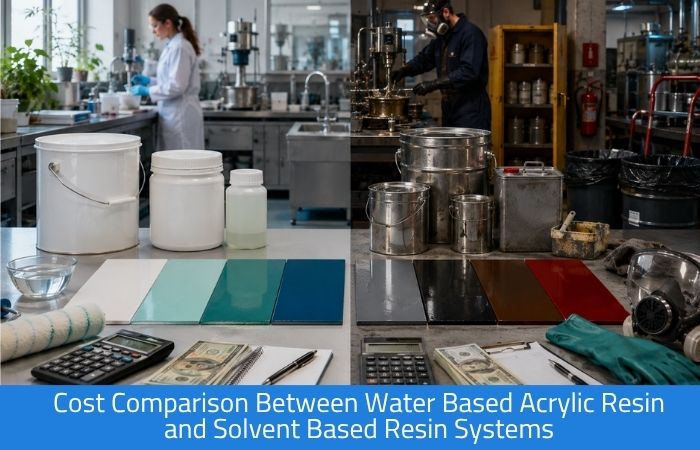
Cost comparisons between water based acrylic resin and solvent based resin depend on several factors beyond raw material price, including solvent disposal costs, worker safety compliance expenses, fire and storage insurance considerations, and equipment cleaning requirements. While water based acrylic resin raw material cost can sometimes be comparable to or slightly higher than solvent based alternatives, the reduced regulatory compliance burden and lower ancillary costs associated with solvent handling often make water based acrylic resin more economical on a total cost basis, particularly for facilities operating in regions with strict environmental compliance requirements or high solvent disposal costs.
Production Equipment and Process Considerations
Switching from solvent based resin to water based acrylic resin often requires adjustments to production equipment and processes, since drying ovens, application equipment and quality control methods calibrated for solvent evaporation may need recalibration for water based systems. Facilities considering this transition should budget for potential equipment modifications and operator retraining, since water based acrylic resin systems can behave differently in terms of viscosity, drying time and application technique compared with familiar solvent based formulations. Working with an experienced water based acrylic resin manufacturer during this transition helps formulators anticipate these process changes and avoid unexpected production disruptions during changeover.
Our Other Products
Polyvinyl Butyral ResinChoosing the Right Resin System for Your Application
The decision between water based acrylic resin and solvent based resin ultimately depends on balancing environmental compliance requirements, performance needs and total production cost for the specific application at hand. Applications with strict environmental regulations, worker safety concerns or sustainability commitments generally favor water based acrylic resin, while certain specialized industrial applications with extreme performance requirements may still rely on solvent based resin systems where water based alternatives have not yet matched required performance levels. Formulators should run direct comparative trials under their actual production conditions before finalizing a resin system choice, since real world results often reveal performance nuances that published technical data alone cannot capture.
Long Term Trends Favoring Water Based Acrylic Resin Adoption
Looking at the broader trajectory of the coatings and inks industry, the trend clearly favors continued growth in water based acrylic resin adoption as formulation technology matures and regulatory pressure increases across more regions. Major raw material suppliers continue investing significant research resources into closing remaining performance gaps between water based acrylic resin and solvent based resin, particularly around adhesion to difficult substrates and performance in extreme climate conditions. Formulators who begin building expertise with water based acrylic resin systems now, rather than waiting until regulations force an abrupt transition, position themselves with a meaningful head start in process knowledge and formulation experience that will become increasingly valuable as solvent based resin usage continues to decline across multiple industry segments.
Sourcing Reliable Water Based Acrylic Resin
For formulators moving toward water based systems, sourcing from an experienced water based acrylic resin manufacturer ensures consistent quality and technical support throughout the formulation and production process. Tridev Group is an established resins manufacturer that produces water base acrylic emulsion and water based acrylic resin products used across printing inks, coatings and adhesive applications, supporting formulators who need reliable performance while meeting environmental compliance requirements. Partnering with a knowledgeable water based acrylic resin supplier also provides access to technical guidance on formulation troubleshooting and application optimization, helping ease the transition away from traditional solvent based resin systems.
Storage, Handling and Safety Differences
Storage and handling requirements differ meaningfully between water based acrylic resin and solvent based resin systems, with important implications for facility design and operational safety. Solvent based resin systems typically require flameproof storage, specialized ventilation and stricter fire safety protocols due to the flammability of organic solvents, adding both cost and complexity to facility operations. Water based acrylic resin systems significantly reduce these fire safety concerns, simplifying storage requirements and lowering insurance costs associated with flammable material handling. However, water based acrylic resin still requires protection from freezing temperatures during storage and transport, since freeze thaw cycles can permanently damage emulsion stability and render the product unusable, so formulators in colder climates need appropriate storage planning regardless of which resin system they choose.
Our Other Products
Reactive Polyamide ResinOdor and Workplace Environment Considerations
Beyond regulatory compliance, the workplace environment created by each resin system affects worker comfort and, in some cases, retention and productivity on the production floor. Solvent based resin systems typically produce noticeable odor during application and drying, which can be a source of complaints in facilities with limited ventilation or in urban locations near residential areas. Water based acrylic resin dramatically reduces this odor concern, creating a more comfortable working environment and reducing the likelihood of complaints from neighboring properties in urban or mixed use industrial areas. This workplace environment benefit, while sometimes overlooked in purely technical resin comparisons, can be a meaningful factor for facility managers balancing production needs against community relations and employee wellbeing.
Water based acrylic resin and solvent based resin each bring distinct advantages depending on the specific application, environmental requirements and production capabilities involved. As environmental regulations continue to tighten and water based acrylic resin technology continues to advance, more formulators are finding that water based systems meet their performance needs while delivering significant environmental and cost benefits, making this an important area for any formulator to evaluate carefully when planning future product development. Taking the time now to test both systems thoroughly, rather than defaulting to whichever resin was used in the past, gives formulators the clearest picture of which chemistry truly serves their application, their budget and their long term compliance needs.
- Phenolic Resin Manufacturing Process: From Raw Material to Finished Product
- Questions to Ask a Phenolic Resin Manufacturer Before Placing an Order
- Alkyl Phenol Formaldehyde Resins Market Demand in Asia and Middle East
- Alkyl Phenol Formaldehyde Resin vs Conventional Phenolic Resin
- What Is Alkyl Phenol Formaldehyde Resin and Where Is It Used