


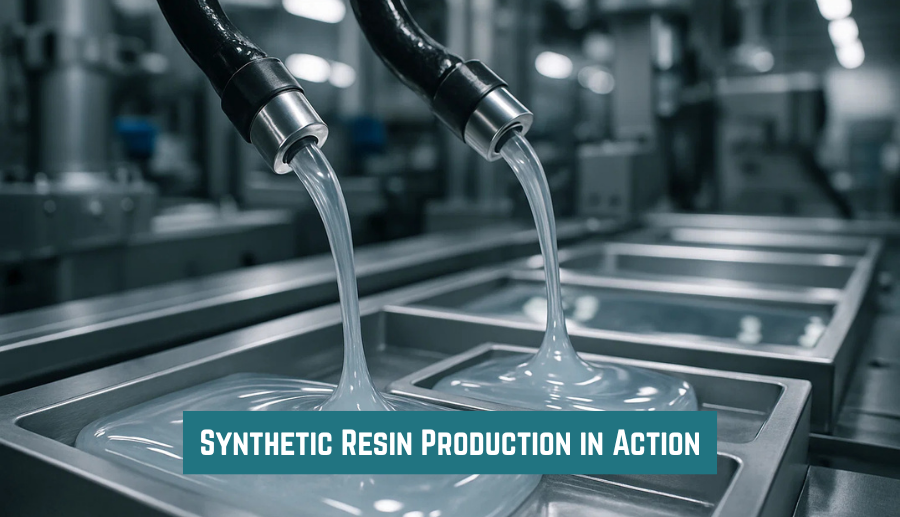
In an increasingly globalized chemical market, compliance with international standards like REACH (Registration, Evaluation, Authorisation and Restriction of Chemicals – EU), RoHS (Restriction of Hazardous Substances – electronics and electricals), and FDA (U.S. Food and Drug Administration – food and medical applications) has become critical. Indian synthetic resin manufacturers are aligning their production, documentation, and safety practices to cater to the compliance demands of global resin buyers. This article explores how various Indian resin companies are meeting these standards across diverse resin types such as Polyurethane Resins, Non-Reactive and Reactive Polyamide Resins, Ketonic Resins, UV Oligomers, and others.

What Role Does REACH Compliance Play in Expanding Indian Resin Exports to the EU?
REACH compliance is essential for exporting synthetic resins like Polyurethane Resin, Polyvinyl Butyral Resin, and Alkyl Phenolic Resin to Europe. Indian companies are investing in pre-registration, chemical safety reports, and third-party lab certifications to meet this regulation.
How Are Indian Polyurethane and Polyamide Resin Manufacturers Adapting to RoHS Standards?
For applications in electronics and electrical components, RoHS compliance is crucial. Companies producing Reactive and Non-Reactive Polyamide Resins and Polyurethane Resins are ensuring their formulations exclude hazardous substances such as lead, cadmium, and mercury.
Are Indian Resin Makers Achieving FDA Compliance for Food-Contact and Medical Applications?
Yes. Water Base Acrylic Emulsion, Fumaric Resin, and Rosin Modified Ester Gum are being developed under FDA-compliant production environments to ensure suitability for food packaging, coatings, and adhesives in medical-grade applications.
What Documentation and Testing Protocols Are Followed to Ensure Global Certification?
Companies maintain SDS (Safety Data Sheets), COAs (Certificates of Analysis), toxicological reports, and product traceability as required by international clients. They work with globally accredited testing labs for compliance verification.
How Are Smaller Indian Resin Exporters Coping with Complex Compliance Needs?
While large exporters have in-house testing and compliance teams, smaller manufacturers often partner with export consultants or chemical compliance agencies to meet REACH and FDA obligations, particularly for Titanium Acetylacetonate Chelate and Adhesion Promoters.
What Technological Investments Are Being Made to Support Regulatory Adherence?
Indian resin makers are upgrading to automated production lines with integrated quality monitoring systems. This shift helps meet process consistency and purity levels for RoHS and FDA regulations-especially relevant for UV Oligomers and Water Base Acrylic Emulsions.
How Do Indian Resin Companies Align with EU Eco-Toxicology and Environmental Safety Norms?
Products like Dimerized Rosin, Rosin Modified Maleic Resins, and Phenolic Resins undergo ecotoxicological evaluations and biodegradability testing. Efforts are made to ensure compliance with CLP (Classification, Labelling and Packaging) and other eco-regulations.
Are Indian Resin Brands Leveraging Certifications Like ISO, GMP, or Halal to Enhance Global Acceptance?
Yes. ISO 9001, ISO 14001, and ISO 45001 certifications are commonly held. Some manufacturers also acquire GMP (Good Manufacturing Practice) and Halal certifications to expand their resin sales in Southeast Asian and Middle Eastern markets.
How Do International Buyers Evaluate Compliance Readiness from Indian Suppliers?
Global buyers look for transparent documentation, third-party audits, eco-toxicology data, and long-term regulatory conformity. Compliance with REACH or FDA significantly improves the trust factor in products like Synthetic Ketonic Resin and Adhesion Promoters.

What Future Trends Will Shape Compliance and Export Growth for Indian Resin Companies?
As global regulations tighten, digital compliance dashboards, AI-based batch tracking, and blockchain for product traceability are being explored. This is especially crucial for complex formulations like Rosin Modified Phenolic Resins and UV-curable materials.
Conclusion
Compliance with REACH, RoHS, and FDA regulations is no longer optional for Indian synthetic resin exporters targeting global markets. From investing in lab-scale purity analysis to obtaining international certifications, Indian companies are taking comprehensive steps to ensure regulatory conformity. This strategic alignment not only builds global buyer confidence but also unlocks new opportunities in high-value sectors like food packaging, medical adhesives, and electronics-grade resins. With the right combination of quality control, documentation, and foresight, Indian resin manufacturers are well-positioned to be reliable partners in the international chemical supply chain.
- Phenolic Resin Manufacturing Process: From Raw Material to Finished Product
- Questions to Ask a Phenolic Resin Manufacturer Before Placing an Order
- Alkyl Phenol Formaldehyde Resins Market Demand in Asia and Middle East
- Alkyl Phenol Formaldehyde Resin vs Conventional Phenolic Resin
- What Is Alkyl Phenol Formaldehyde Resin and Where Is It Used