


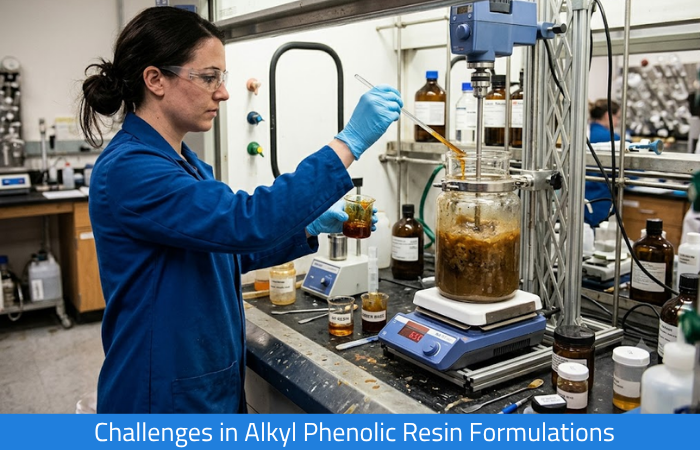
Alkyl phenolic resin is a valuable tackifying and reinforcing resin used extensively in rubber based adhesives, footwear bonding compounds and various industrial formulations, but working with this resin chemistry presents several practical challenges that formulators must anticipate and manage. From color stability to compatibility issues and processing sensitivity, understanding these common challenges helps formulators avoid costly production problems and achieve consistent results when using alkyl phenolic resin in their adhesive and coating systems. This article outlines the most frequent formulation challenges encountered with alkyl phenolic resin and practical approaches to addressing them.
Managing Color and Yellowing Tendencies
One of the most persistent challenges formulators face when working with alkyl phenolic resin is controlling color stability, since certain grades, particularly heat reactive resole type resins, can yellow over time when exposed to heat, light or oxidative conditions during storage and service. This yellowing tendency becomes especially problematic for adhesive applications involving light colored or transparent substrates, where visible discoloration at the bond line can affect product appearance and customer acceptance. Formulators addressing this challenge often select non heat reactive novolak type alkyl phenolic resin grades for applications where color stability is critical, or incorporate stabilizing additives into the formulation to slow the yellowing process without compromising the resin’s tackifying performance.
Compatibility With Different Rubber Base Polymers
Alkyl phenolic resin does not exhibit uniform compatibility across all rubber base polymers, and formulators frequently encounter challenges when transitioning a formulation from one rubber type to another without adjusting the resin selection or dosage accordingly. Natural rubber, styrene butadiene rubber, nitrile rubber and various synthetic elastomers each interact differently with alkyl phenolic resin, affecting tack development, cure behavior and final bond strength. Formulators developing new adhesive products should run compatibility trials with the specific rubber base polymer intended for production rather than assuming that resin performance data from one rubber system will transfer directly to another, since even subtle differences in polymer structure can significantly change how the alkyl phenolic resin performs in the final blend.
Achieving Consistent Softening Point and Molecular Weight
Batch to batch consistency in softening point and molecular weight is a recurring challenge that formulators must manage when sourcing alkyl phenolic resin, since variation in these properties directly affects processing behavior and final adhesive performance. A resin batch with a softening point outside the expected range can cause processing difficulties during hot melt compounding or result in tack and bond strength that falls short of specification. Formulators should establish clear incoming quality control procedures, testing softening point and other key parameters on every batch received from their phenolic resin manufacturer, and should maintain open communication with suppliers about acceptable tolerance ranges to catch potential issues before they disrupt production.
Solvent Selection and Dissolution Challenges
Alkyl phenolic resin requires appropriate solvent selection to achieve proper dissolution and workable viscosity in solvent based adhesive formulations, and formulators sometimes encounter challenges when the resin does not dissolve fully or forms a cloudy, unstable solution in certain solvent blends. This issue often arises when formulators attempt to reduce solvent cost by switching to less expensive solvent alternatives without confirming compatibility with the specific alkyl phenolic resin grade being used. Addressing this challenge typically involves working closely with the resin supplier to identify proven solvent systems for the chosen resin grade, and running small scale dissolution trials before committing to a solvent change in full production formulations.
Balancing Tack, Heat Resistance and Aging Performance
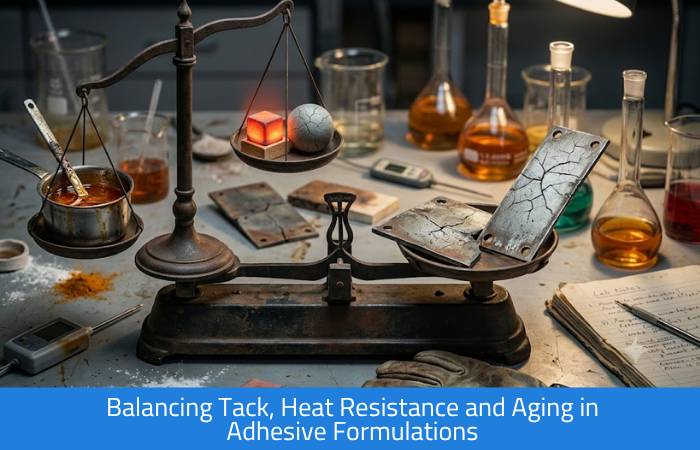
Formulators often struggle to balance competing performance requirements when working with alkyl phenolic resin, since increasing resin dosage to boost initial tack can sometimes reduce heat resistance or long term aging performance of the finished adhesive bond. This trade off requires careful formulation work, testing multiple dosage levels and resin grades to identify the combination that delivers acceptable tack without compromising the bond’s ability to withstand elevated temperature exposure or extended aging in service. Footwear adhesive formulators in particular must navigate this balance carefully, since footwear bonds need both strong initial tack during assembly and durable long term performance throughout the product’s wear life.
Managing Odor and Volatile Organic Compound Content
Alkyl phenolic resin based adhesive formulations, particularly solvent based systems, can present challenges related to residual odor and volatile organic compound emissions during production and after application, which is an increasing concern as environmental regulations tighten in many regions. Formulators addressing this challenge are exploring lower solvent content formulations and investigating whether specific alkyl phenolic resin grades offer reduced residual monomer or free phenol content that could contribute to odor issues. Working with a resin manufacturer who understands these regulatory pressures and can provide grades formulated with reduced volatile content helps formulators stay ahead of tightening emission standards without sacrificing adhesive performance.
Our Other Products
Dimerized RosinProcessing Sensitivity During Hot Melt Compounding
Hot melt adhesive formulators working with alkyl phenolic resin sometimes encounter processing challenges related to the resin’s sensitivity to prolonged heat exposure during compounding, since extended residence time at high temperature can degrade the resin and affect final adhesive properties. This challenge requires careful control of compounding temperature and mixing time, along with periodic testing of the finished adhesive to confirm that processing conditions have not compromised resin performance. Formulators should work with their equipment suppliers and resin manufacturer together to establish processing parameters that protect resin integrity while achieving efficient production throughput on the compounding line.
Handling Storage and Shelf Life Limitations
Alkyl phenolic resin, particularly heat reactive grades, can present storage related challenges since prolonged exposure to elevated warehouse temperatures or extended storage duration can gradually alter the resin’s reactivity and softening point before it ever reaches the production line. Formulators sourcing large volumes of resin for extended production campaigns should establish clear storage guidelines, including temperature controlled warehousing where necessary, and should track resin age against the manufacturer’s recommended shelf life rather than assuming indefinite stability. Facilities in hot climates face a particular challenge here, since ambient warehouse temperatures can exceed the safe storage range for certain heat reactive alkyl phenolic resin grades during peak summer months, making climate controlled storage a worthwhile investment for operations handling significant resin inventory.
Addressing Inconsistent Results Across Different Production Batches
Even with strong incoming quality control, formulators sometimes encounter inconsistent adhesive performance across different production batches despite using resin that meets specification on paper, a challenge often traced back to subtle interactions between the alkyl phenolic resin and other formulation components that only become apparent during full scale production. Investigating these inconsistencies typically requires a systematic approach, examining not just the resin itself but also mixing equipment calibration, ambient production conditions and the consistency of other raw materials in the formulation. Building a detailed batch record that captures resin lot numbers alongside processing conditions and final test results helps formulators trace the root cause more efficiently when unexpected performance variation occurs, rather than defaulting to blaming the resin supplier without supporting data.
Working With an Experienced Alkyl Phenolic Resin Manufacturer
Many of these formulation challenges can be significantly reduced by partnering with an experienced alkyl phenolic resin manufacturer who understands the specific application requirements and can provide technical guidance throughout the development process. Tridev Group is a leading resins manufacturer that supplies high-purity alkyl phenolic resin used across rubber based adhesive and tackifier applications, offering formulators the consistent quality and technical support needed to navigate common formulation challenges effectively. Access to detailed technical data sheets, batch consistency documentation and responsive troubleshooting support helps formulators resolve issues quickly rather than losing valuable production time to unexplained performance variation.
Our Other Products
Water Base Acrylic EmulsionTraining Production Staff on Resin Handling Best Practices
Many of the challenges outlined above are compounded when production staff are not fully trained on the specific handling requirements of alkyl phenolic resin, since inconsistent weighing, mixing time or temperature control introduced by operator variation can mask or worsen resin related issues. Investing in clear standard operating procedures and regular training refreshers for staff who handle alkyl phenolic resin during compounding helps reduce this variable, ensuring that performance issues observed during production can be more confidently attributed to raw material factors rather than inconsistent handling practices. Facilities that document these procedures clearly also find it easier to onboard new staff without a drop in production consistency during the transition period.
Working successfully with alkyl phenolic resin requires anticipating and managing challenges related to color stability, rubber compatibility, batch consistency, solvent selection, performance balancing and processing sensitivity. Formulators who understand these common pitfalls and establish robust quality control and testing procedures, while partnering with a knowledgeable phenolic resin manufacturer such as Tridev Group, are best positioned to achieve consistent, reliable results across their alkyl phenolic resin based formulations.
- Phenolic Resin Manufacturing Process: From Raw Material to Finished Product
- Questions to Ask a Phenolic Resin Manufacturer Before Placing an Order
- Alkyl Phenol Formaldehyde Resins Market Demand in Asia and Middle East
- Alkyl Phenol Formaldehyde Resin vs Conventional Phenolic Resin
- What Is Alkyl Phenol Formaldehyde Resin and Where Is It Used