


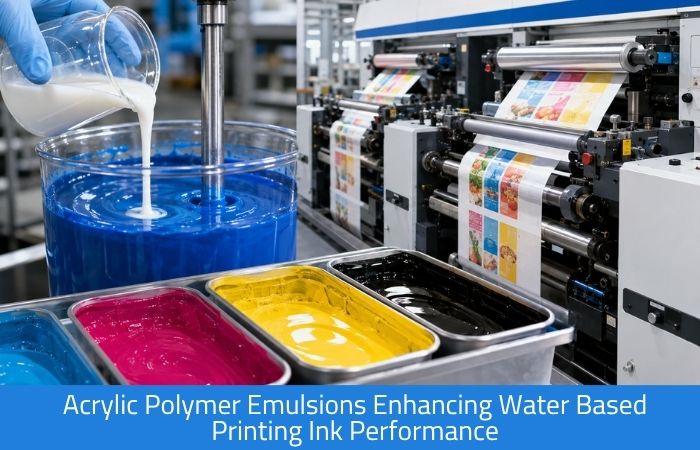
Water based printing inks have grown steadily in popularity across packaging, publication and commercial printing segments, driven by environmental regulations and growing demand for lower solvent emission processes. Acrylic polymer emulsions, and specifically water base acrylic emulsion products, play a central role in making these water based inks perform reliably, providing the film formation, adhesion and gloss properties that printers expect while keeping volatile organic compound content low. This article explains how acrylic polymer emulsions function within water based printing ink formulations and what formulators should know when selecting the right water base acrylic emulsion for their application.
The Function of Acrylic Polymer Emulsions in Ink Formulation
An acrylic polymer emulsion consists of fine acrylic resin particles dispersed in water, stabilized by surfactants and other additives that keep the emulsion stable during storage and transport. When used as the binder in a water based printing ink, the acrylic emulsion resin particles coalesce as water evaporates during drying, forming a continuous film that binds pigment to the printed substrate. This film formation process is fundamentally different from solvent based systems, and the properties of the specific water base acrylic emulsion chosen, including particle size, glass transition temperature and minimum film formation temperature, directly influence how well the finished ink performs in terms of adhesion, gloss and rub resistance.
Adhesion and Substrate Compatibility Benefits
Acrylic polymer emulsion technology has advanced significantly, allowing water based printing inks formulated with quality water base acrylic emulsion products to achieve adhesion performance that rivals many solvent based alternatives on paper, cardboard and certain treated plastic substrates. The acrylic emulsion resin particles are engineered to wet the substrate surface effectively despite the higher surface tension of water compared with organic solvents, which historically limited water based ink performance on lower energy substrates. Formulators selecting a water based acrylic emulsion for printing ink applications should evaluate adhesion performance specifically on their target substrate, since emulsion chemistry optimized for paper packaging may not automatically transfer the same adhesion results to plastic film substrates without additional formulation adjustments.
Gloss, Clarity and Color Development
The optical properties of the finished printed ink film depend heavily on the acrylic polymer emulsion used as the binder system. High quality water base acrylic emulsion products produce clear, glossy films that allow pigment color to develop fully without the haze or cloudiness that can occur with lower grade emulsions. This clarity is particularly important for process color printing, where accurate color reproduction depends on light passing cleanly through each ink layer without scattering caused by poor emulsion film formation. Printers working on packaging that demands strong shelf appeal should prioritize acrylic polymer emulsion grades specifically formulated for high gloss and color development rather than general purpose emulsions designed primarily for cost efficiency.
Drying Speed and Production Line Compatibility
Water based printing inks formulated with acrylic polymer emulsions must dry quickly enough to keep pace with modern printing press speeds, which places specific demands on the emulsion’s film formation characteristics. The minimum film formation temperature of the acrylic emulsion resin influences how readily the ink dries under typical production conditions, and formulators must balance this property against ambient humidity and drying equipment capabilities on the specific press line being used. Selecting a water base acrylic emulsion with drying characteristics matched to the production environment helps printers avoid issues such as blocking, where printed material sticks together before the ink film has fully hardened, particularly in humid climates or during high speed production runs.
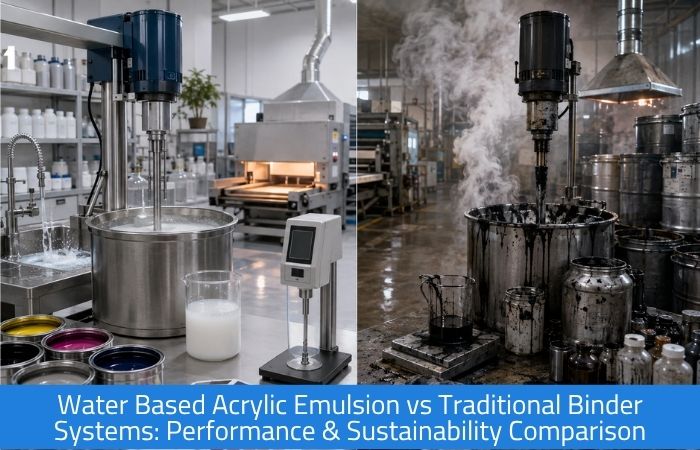
Water Based Acrylic Emulsion Versus Traditional Binder Systems
Compared with traditional solvent based ink binders, water base acrylic emulsion systems offer significant advantages in reduced volatile organic compound emissions, lower flammability risk and easier cleanup during production changeovers. However, acrylic polymer emulsion systems can require more careful control of drying conditions and may show different rheological behavior compared with solvent based systems, requiring press operators to adjust their processes when transitioning to water based printing inks. Formulators evaluating this shift should run side by side trials comparing water-based emulsions formulations against their existing solvent based ink to confirm that print quality, adhesion and drying speed meet production requirements before committing to a full scale changeover.
Our Other Products
Rosin Modified Ester GumEnvironmental and Regulatory Advantages of Water Based Inks
The environmental benefits of acrylic polymer emulsion based printing inks extend beyond emissions reduction during printing itself, encompassing safer handling for production workers, reduced fire risk during storage and transport, and often simpler regulatory compliance across multiple jurisdictions with varying VOC restrictions. Brand owners increasingly favor packaging printed with water based inks as part of broader sustainability commitments, creating commercial pressure alongside regulatory pressure for printers to adopt acrylic polymer emulsion technology. Printers who invest early in optimizing their processes for water base acrylic emulsion inks position themselves favorably as more customers request lower environmental impact printing options for their packaging and promotional materials.
Applications Across Packaging and Commercial Printing Segments
Water base acrylic emulsion inks are used across a wide range of printing applications, from corrugated packaging and paper bags to labels, flexographic printing and certain publication printing segments. Each application places different demands on the acrylic polymer emulsion in terms of gloss requirements, drying speed and resistance to moisture or handling during distribution. Corrugated packaging printers, for example, often prioritize fast drying and good print definition on absorbent substrates, while label printers may require higher gloss and better resistance to scuffing during application and end use. Understanding these segment specific requirements helps formulators select or request an acrylic polymer emulsion grade optimized for their particular packaging ink resins application rather than relying on a single general purpose emulsion across every product line.
Selecting the Right Water Base Acrylic Emulsion Supplier
Because ink performance depends heavily on the specific properties of the acrylic polymer emulsion used, sourcing from an experienced water base acrylic emulsion manufacturer is essential for ink formulators seeking consistent results. Tridev Group is a leading resins manufacturer producing high-performance polymer products used across water based printing ink applications, offering formulators the film formation, adhesion and gloss characteristics needed for high quality, environmentally responsible ink production. Working closely with a knowledgeable acrylic emulsion supplier also provides access to technical guidance on formulation troubleshooting, helping printers achieve reliable results as they transition more of their production toward water based ink systems.
Stability and Shelf Life of Acrylic Polymer Emulsions
Emulsion stability is a critical quality parameter that printers and ink manufacturers must monitor closely, since a water base acrylic emulsion that separates, thickens excessively or develops microbial contamination during storage can compromise ink batches and disrupt production schedules. Reputable emulsion manufacturers incorporate appropriate stabilizers and preservatives to extend shelf life while maintaining consistent viscosity and particle size distribution throughout the storage period. Ink formulators should confirm recommended storage temperature ranges and shelf life data from their acrylic polymer emulsion supplier, and should always test incoming emulsion batches for viscosity and pH before use to catch any storage related degradation before it affects finished ink quality.
Our Other Products
Phenolic ResinFormulating With Additives Alongside Acrylic Polymer Emulsions
Water based printing inks rarely rely on the acrylic polymer emulsion alone, typically incorporating additional additives such as defoamers, wetting agents, pH buffers and rheology modifiers to achieve the full performance profile required for production. These additives must be carefully selected for compatibility with the specific water base acrylic emulsion in use, since incompatible combinations can cause destabilization, foaming issues during high speed printing, or reduced film clarity in the finished ink. Ink formulators developing new water based ink resins benefit from close collaboration with their emulsion supplier during this additive selection process, since suppliers with deep formulation experience can often recommend proven additive combinations that shorten development time significantly.
Acrylic polymer emulsions have become a foundational technology for water based printing inks, enabling printers to achieve strong adhesion, good gloss and reliable drying performance while significantly reducing environmental impact compared with solvent based alternatives. Formulators who understand how water base acrylic emulsion properties influence final ink performance, and who partner with an experienced supplier for consistent emulsion quality, are well positioned to meet growing demand for sustainable printing solutions across packaging and commercial print segments. As brand owners continue tightening sustainability requirements for their printed materials, this positioning is likely to become an increasingly important competitive advantage for ink manufacturers and the printers who rely on them. Formulators who build this expertise now, rather than treating water based conversion as a distant future task, will be better prepared to respond quickly when customers or regulators raise the bar further.
- Phenolic Resin Manufacturing Process: From Raw Material to Finished Product
- Questions to Ask a Phenolic Resin Manufacturer Before Placing an Order
- Alkyl Phenol Formaldehyde Resins Market Demand in Asia and Middle East
- Alkyl Phenol Formaldehyde Resin vs Conventional Phenolic Resin
- What Is Alkyl Phenol Formaldehyde Resin and Where Is It Used