


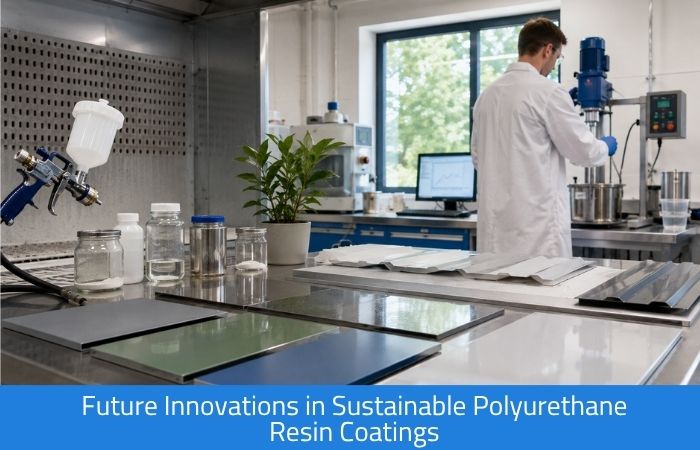
Sustainability has moved from a niche consideration to a central requirement in coating formulation, and polyurethane resin technology is evolving quickly to meet this shift without sacrificing the durability, gloss and chemical resistance that make polyurethane resin a preferred binder across industrial coatings. This article examines the key trends shaping the future of polyurethane resin technology for sustainable coatings, from water based systems to bio based raw materials, and what these developments mean for formulators planning their next generation product lines.
The Shift Toward Water Based Polyurethane Resin Systems
One of the most significant trends in polyurethane resin technology is the continued growth of water based polyurethane resin as an alternative to traditional solvent based systems. Water based polyurethane resin dramatically reduces volatile organic compound emissions during application, helping coating manufacturers and applicators meet increasingly strict environmental regulations across multiple regions. While early water based polyurethane resin systems sometimes lagged behind solvent based alternatives in gloss and chemical resistance, ongoing formulation advances have narrowed this performance gap considerably, making water based polyurethane resin a viable choice for a growing range of polyurethane resin applications previously dominated by solvent borne systems.
High Solids and Low VOC Polyurethane Resin Formulations
Alongside water based systems, high solids polyurethane resin formulations are gaining traction as another pathway toward reduced environmental impact. High solids polyurethane resin allows coating manufacturers to achieve the same film build with less solvent, cutting VOC emissions while maintaining the application characteristics that formulators and applicators are accustomed to. This approach is particularly attractive for industries where switching entirely to water based systems is not yet practical due to application equipment or performance requirements, offering a middle path that reduces environmental impact while preserving familiar processing behavior for existing coating lines.
Bio Based and Renewable Raw Materials in Polyurethane Resin
Research into bio based raw materials is opening new possibilities for polyurethane resin technology, with some manufacturers exploring polyols derived from vegetable oils, recycled plastics and other renewable feedstocks as partial or full replacements for petroleum based inputs. These bio based polyurethane resin systems aim to reduce the carbon footprint associated with resin production while maintaining comparable mechanical and chemical performance to conventional polyurethane resin. Although bio based polyurethane resin technology is still maturing and adoption varies by region and application, this trend reflects a broader shift within the coatings industry toward evaluating raw material sourcing as part of overall sustainability strategy, not just emissions during application.
Improved Durability Reducing Lifecycle Environmental Impact
Sustainability in coatings is not only about reducing emissions during manufacturing and application but also about extending the service life of the coated asset, since less frequent recoating reduces cumulative resource consumption and waste over time. Advances in polyurethane resin chemistry continue to push durability, abrasion resistance and UV stability higher, meaning coatings formulated with next generation polyurethane resin can remain in service longer before requiring maintenance or replacement. This durability focused approach to sustainability is particularly relevant for infrastructure, automotive and industrial applications where recoating involves significant labor, material and downtime costs beyond the environmental impact of the coating materials themselves.
Smart and Functional Polyurethane Resin Coatings
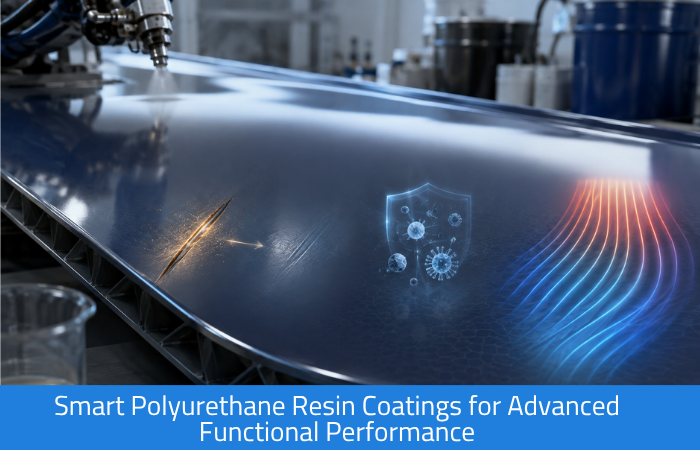
Emerging polyurethane resin technology is also moving toward coatings with additional functional properties beyond basic protection and appearance, including self healing surfaces, enhanced anti microbial properties and improved thermal management characteristics. While still an emerging area, these functional polyurethane resin coatings represent a trend toward extracting more value and performance from each coating application, potentially reducing the total volume of coating material needed over an asset’s lifetime. Formulators tracking this space should watch for polyurethane resin grades that combine sustainability benefits with these functional enhancements, since combined value propositions are likely to become more attractive to brand owners and asset managers seeking both performance and environmental credentials.
Regulatory Pressure Driving Polyurethane Resin Innovation
Environmental regulations continue to tighten across major markets, and this regulatory pressure is a significant driver behind polyurethane resin innovation toward sustainable coating solutions. Restrictions on VOC content, growing scrutiny of isocyanate handling and evolving standards around recyclability are pushing polyurethane resin manufacturers to invest in research and development focused on compliant, high performance alternatives to legacy formulations. Formulators should stay closely informed about regulatory developments in their target markets, since compliance requirements often determine which polyurethane resin technologies become commercially viable in specific regions well before market demand alone would drive that transition.
Our Other Products
Synthetic Ketonic ResinCircular Economy Considerations for Polyurethane Resin Coatings
The broader movement toward circular economy principles is beginning to influence polyurethane resin technology, with growing interest in recyclable coating systems and processes that can recover value from coated substrates at end of life. While recycling cured thermoset polyurethane resin coatings remains technically challenging due to the crosslinked nature of the cured film, research into chemical recycling methods and design approaches that ease future separation of coating layers from substrates is progressing steadily. Coating manufacturers positioning themselves for future regulatory and customer expectations should monitor developments in this space, since circular economy considerations are likely to become an increasingly important factor in polyurethane resin selection over the coming years.
Workforce Training and Safe Handling Practices
As polyurethane resin formulations evolve toward more sustainable chemistries, workforce training on safe handling and application practices remains an essential part of the transition. Isocyanate based polyurethane resin systems require careful handling regardless of whether they are solvent based or water based, and applicators need updated training whenever a new grade with different processing characteristics is introduced. Coating manufacturers that invest in ongoing operator training alongside their sustainability focused product development tend to achieve smoother transitions to newer polyurethane resin technologies, since production teams who understand the reasons behind formulation changes are better equipped to adapt application techniques and maintain consistent coating quality throughout the changeover period.
Preparing for the Next Generation of Sustainable Polyurethane Resin
Formulators and coating manufacturers preparing for these shifts in polyurethane resin technology should begin evaluating water based, high solids and bio based options now, rather than waiting for regulatory deadlines to force a reactive transition. Working closely with an experienced resins manufacturer that invests in sustainable technology development gives formulators earlier access to next generation grades and the technical support needed to validate performance during the transition period. Tridev Group continues to develop polyurethane resin solutions that balance the durability and gloss performance industrial coatings require with the sustainability characteristics increasingly demanded by regulators and customers alike, supporting formulators as they navigate this ongoing technology transition. Formulators who begin this evaluation early, rather than waiting for a regulatory deadline or a customer requirement to force the change, generally find the transition smoother and less disruptive to their existing production schedules and quality benchmarks.
Advances in Catalyst and Additive Technology
Beyond the base resin chemistry, improvements in catalyst systems and functional additives are also contributing to more sustainable polyurethane resins for coatings. Newer catalyst technologies allow for faster, more energy efficient curing at lower temperatures, reducing the energy consumption associated with coating production and application. Similarly, additive innovations focused on improving flow, leveling and defoaming performance help reduce material waste during application by minimizing the need for rework or touch up coats. These incremental improvements across the broader polyurethane resin formulation ecosystem, not just the base polymer itself, are collectively contributing to a smaller environmental footprint for coatings built on polyurethane resin technology. Formulators evaluating new coating systems should ask suppliers about these supporting technologies as well, since a sustainable base resin paired with an outdated catalyst or additive package will not deliver the full environmental benefit that the underlying polyurethane resin chemistry is capable of achieving.
Our Other Products
Titanium Acetylacetonate ChelateDigitalization and Data Driven Formulation Development
The move toward sustainable polyurethane resin coatings is also being supported by digitalization within research and development processes. Predictive modeling and simulation tools now allow formulators to screen potential polyurethane resin formulations for performance and environmental impact before committing to physical laboratory trials, reducing the material waste and time associated with traditional trial and error development. Manufacturers investing in these digital capabilities can bring new sustainable polyurethane resin grades to market more efficiently, giving formulators faster access to validated options as sustainability requirements continue to evolve across different industrial coating segments.
The future of polyurethane resin technology for sustainable coatings will be shaped by continued progress in water based systems, high solids formulations, bio based raw materials and circular economy thinking. Formulators who engage with these trends early, and who partner with polyurethane resin manufacturers investing in sustainable innovation, will be better positioned to meet evolving regulatory requirements and customer expectations without compromising the performance that makes polyurethane resin such a valuable coating chemistry.
- Phenolic Resin Manufacturing Process: From Raw Material to Finished Product
- Questions to Ask a Phenolic Resin Manufacturer Before Placing an Order
- Alkyl Phenol Formaldehyde Resins Market Demand in Asia and Middle East
- Alkyl Phenol Formaldehyde Resin vs Conventional Phenolic Resin
- What Is Alkyl Phenol Formaldehyde Resin and Where Is It Used