


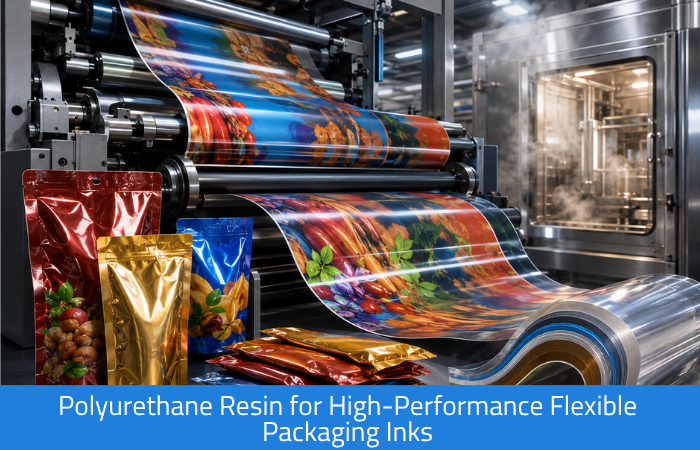
Flexible packaging inks must deliver strong adhesion, high gloss, good flexibility and resistance to lamination and retort processing, all while running smoothly on high speed printing presses. Polyurethane resin has become one of the most widely used binder systems for flexible packaging inks because it meets these demanding requirements more consistently than many alternative resin chemistries. This article explains the specific performance advantages that polyurethane resin brings to flexible packaging ink formulation, and why many ink manufacturers are shifting toward polyurethane resin systems, including nitrocellulose free options, for modern packaging applications.
Why Flexible Packaging Inks Rely on Polyurethane Resin
Flexible packaging structures, from snack food wrappers to stand up pouches, are typically printed on plastic films and then laminated with additional layers for barrier protection and mechanical strength. Polyurethane resin used in these inks provides excellent adhesion to a wide range of plastic substrates, strong flexibility that withstands the folding and flexing packaging undergoes during filling and handling, and good resistance to the solvents and adhesives used during lamination. These combined properties make polyurethane resin for printing inks a practical choice for converters who need consistent performance across diverse substrates and end use conditions, from dry snack packaging to more demanding retort pouch applications requiring heat resistance.
Adhesion and Lamination Bond Strength Advantages
One of the standout performance advantages of polyurethane resin in flexible packaging inks is its strong bond strength during lamination, which is critical since printed films are almost always laminated with another layer of plastic, foil or paper to create the finished packaging structure. Film forming polyurethane resin creates a printed ink layer that bonds securely with lamination adhesives, reducing the risk of delamination during storage, transport or end use. This reliable lamination bond strength is particularly important for packaging that will be exposed to moisture, temperature variation or mechanical stress, since a weak bond between the ink layer and laminate can lead to visible defects or, in severe cases, packaging failure that compromises product integrity.
Gloss, Color Strength and Print Quality Benefits
Polyurethane resin also contributes to superior gloss and color strength in flexible packaging inks compared with some traditional resin systems, helping brand owners achieve the vibrant, eye catching graphics that modern packaging design demands. The film forming characteristics of polyurethane resin allow pigments to disperse evenly and remain well anchored within the ink film, producing consistent color reproduction across long production runs. This print quality advantage is especially valuable for high value packaging segments such as premium food products and consumer goods, where shelf appeal directly influences purchasing decisions and brand owners expect consistent visual quality across every printed batch.
Nitrocellulose Free Polyurethane Ink and Sustainability Trends
A significant development in flexible packaging printing has been the shift toward nitrocellulose free PU ink formulations, driven by growing interest in reducing dependence on nitrocellulose resin, which has raised concerns around flammability, storage safety and consistent global supply. Polyurethane resin for NC free ink systems offers converters a way to move away from nitrocellulose while maintaining the flexibility, adhesion and gloss properties that flexible packaging printing requires. This transition toward nitro cellulose free polyurethane ink also aligns with broader sustainability goals in the packaging industry, as polyurethane resin systems can be formulated with reduced solvent content and improved recyclability characteristics compared with some legacy ink chemistries.
Flexibility and Resistance to Mechanical Stress
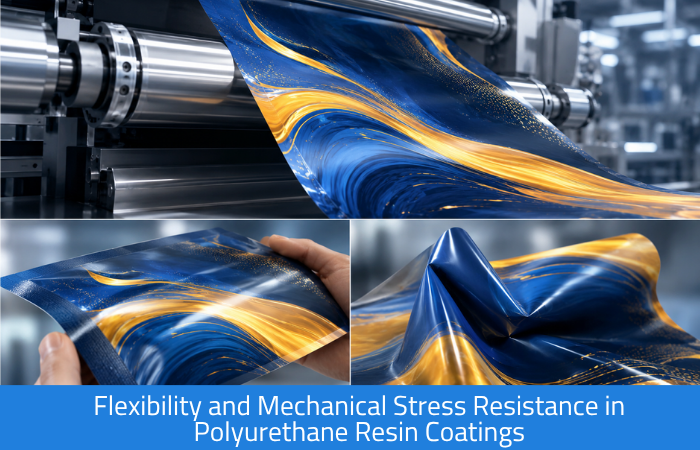
Flexible packaging undergoes constant folding, flexing and handling throughout its lifecycle, from the printing press through filling equipment and into consumer use. Polyurethane resin’s inherent flexibility allows the printed ink film to withstand this mechanical stress without cracking or losing adhesion, which is a significant advantage over more brittle resin systems that can develop micro cracks under repeated flexing. This flexibility advantage becomes especially important for pouch and bag formats that are squeezed, folded or crushed during distribution and retail handling, where a less flexible ink film might show visible cracking or color loss along fold lines.
Plasticized PU Resins for Laminating Adhesive Applications
Beyond printing inks themselves, plasticizer polyurethane resins and plasticized PU resins play an important supporting role in flexible packaging by improving the flexibility and bond strength of laminating adhesives used to combine multiple film layers. These plasticized polyurethane resin grades are formulated to remain flexible even after the laminate has cured, preventing the brittleness that can develop in some adhesive systems over time and under cold storage conditions. Converters producing laminated pouches for frozen food or refrigerated products particularly benefit from plasticized PU resin systems that maintain flexibility and bond integrity across a wide temperature range, protecting package integrity throughout the cold chain.
Our Other Products
Synthetic Ketonic ResinSelecting the Right Polyurethane Resin Grade for Ink Formulation
Not all polyurethane resin grades perform identically in flexible packaging ink applications, so formulators must select the specific grade based on the printing process, substrate type and end use requirements of the finished package. Factors such as molecular weight, solvent compatibility and film forming speed all influence how well a given polyurethane resin performs on gravure or flexographic presses running at high speed. Working with an experienced polyurethane resin manufacturer who understands the flexible packaging ink segment helps formulators select the correct grade quickly, avoiding lengthy trial and error cycles that can delay new product development and market launch timelines. Sharing detailed information about the intended substrate, printing process and end use conditions with the resin supplier early in development also speeds up grade selection and reduces the number of trial iterations needed before a formulation is ready for commercial production.
Storage and Handling of Polyurethane Resin for Ink Production
Proper storage and handling of polyurethane resin protects both product quality and worker safety during ink manufacturing. Polyurethane resin solutions should be stored in sealed containers away from moisture and extreme temperature fluctuations, since exposure to humidity can affect viscosity and reactivity over time, particularly for grades intended for two component ink or adhesive systems. Ink manufacturers should also follow the handling guidance provided in the safety data sheet regarding ventilation and protective equipment, since solvent based polyurethane resin systems typically involve flammable carriers that require careful storage and handling practices throughout the production facility.
Partnering With a Reliable Polyurethane Resin Supplier
Because flexible packaging printing operates at high volume and tight quality tolerances, ink formulators need a dependable polyurethane resin supplier who can deliver consistent quality batch after batch. Tridev Group manufactures polyurethane resin for flexible packaging inks, supporting converters who need reliable adhesion, gloss and lamination performance across demanding production environments, including nitrocellulose free ink development. A strong relationship with a polyurethane resin supplier also provides access to technical troubleshooting support, which becomes valuable whenever a new substrate, adhesive system or ink color needs to be validated quickly for a new packaging launch.
Retort and Heat Resistance Considerations
Some flexible packaging applications, particularly food pouches intended for retort sterilization, demand printed ink films that can withstand exposure to high temperature and pressure during processing without losing adhesion or color. Polyurethane resin formulated for retort applications must maintain bond strength through this thermal stress, since any weakness in the ink or lamination system can lead to delamination or seal failure during sterilization. Ink formulators developing retort grade inks typically work closely with their polyurethane resin manufacturer to select grades specifically tested for retort conditions, since standard flexible packaging ink formulations are not always suitable for the elevated temperature and moisture exposure that retort processing involves.
Comparing Polyurethane Resin With Other Flexible Packaging Ink Binders
While polyurethane resin has gained significant market share in flexible packaging inks, other binder systems such as nitrocellulose, polyamide resin and acrylic resin remain in use for specific applications and cost sensitive segments. Polyamide resin, for example, is valued for its gloss and rewetting resistance in certain gravure ink applications, while nitrocellulose has traditionally offered fast drying speed and good pigment wetting despite its flammability and storage handling concerns. Formulators choosing between these binder systems should weigh polyurethane resin’s advantages in flexibility, lamination bond strength and sustainability against the specific cost and performance requirements of their packaging segment, since no single resin chemistry is optimal for every flexible packaging application.
Polyurethane resin has established itself as a preferred binder for flexible packaging inks because it delivers the adhesion, flexibility, gloss and lamination bond strength that modern packaging applications demand. As the industry continues moving toward nitrocellulose free formulations and more sustainable ink systems, polyurethane resin is well positioned to remain central to flexible packaging ink development, provided formulators select the right grade and partner with a manufacturer capable of supporting consistent, high volume production. Converters who invest time in this selection process now are better positioned to meet evolving brand owner expectations around sustainability, print quality and packaging performance in the years ahead.
- Phenolic Resin Manufacturing Process: From Raw Material to Finished Product
- Questions to Ask a Phenolic Resin Manufacturer Before Placing an Order
- Alkyl Phenol Formaldehyde Resins Market Demand in Asia and Middle East
- Alkyl Phenol Formaldehyde Resin vs Conventional Phenolic Resin
- What Is Alkyl Phenol Formaldehyde Resin and Where Is It Used