


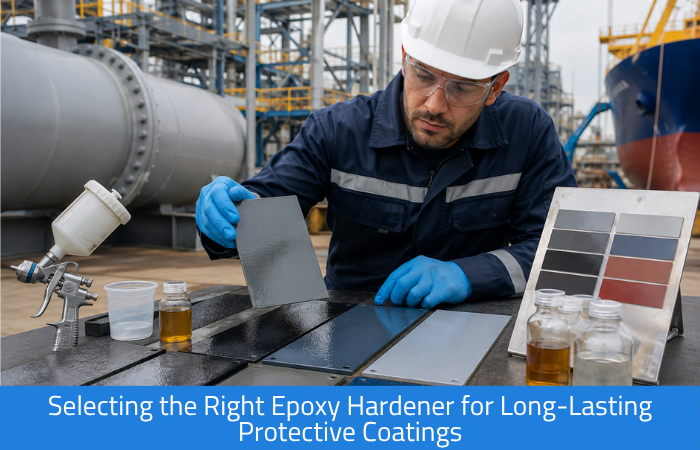
Choosing the correct epoxy hardener is one of the most important decisions a coating formulator makes, because the hardener controls cure speed, film hardness, chemical resistance and long term durability of the finished coating. Among the many curing chemistries available, reactive polyamide resin remains a preferred epoxy hardener for protective coatings used in marine, infrastructure and industrial environments. It reacts with liquid and solid epoxy resins at room temperature to form a tough thermoset film that resists moisture, alkali and mild chemical exposure. This article explains how formulators and procurement teams can evaluate an epoxy hardener systematically, and why reactive polyamide resin continues to be a trusted choice for protective coating applications across India and export markets.
Understanding the Role of an Epoxy Hardener in Coating Formulation
An epoxy hardener, also called a curing agent, reacts with the epoxide groups in liquid or solid epoxy resin to create crosslinked polymer networks. Without the correct curing agent, an epoxy resin remains soft and cannot deliver the mechanical strength or chemical resistance expected of a protective coating. Reactive polyamide resin functions as a polyamide curing agent because its active amine and amide groups open the epoxy ring and build a dense three dimensional network. This crosslinking is what gives cured epoxy polyamide coatings their characteristic toughness, flexibility and resistance to abrasion. Formulators selecting an epoxy hardener must therefore look beyond price and consider amine value, viscosity and pot life, since these properties directly influence how the coating performs once applied.
Amine Value and Stoichiometry When Selecting a Polyamide Curing Agent
The amine value of a reactive polyamide resin determines how much epoxy resin it can cure and at what mix ratio. A polyamide resin manufacturer typically supplies technical data sheets listing amine value in mg KOH per gram, and formulators use this figure to calculate the correct stoichiometric ratio between epoxy and hardener. Getting this ratio wrong leads to tacky films, poor hardness development or brittle coatings that crack under stress. When evaluating a reactive polyamide resin manufacturer, it is worth requesting batch to batch consistency data on amine value, since variation of even a few points can shift the optimal mix ratio and affect quality control on the shop floor. Consistent amine value is one of the clearest indicators of a reliable polyamide resin supplier.
Pot Life and Cure Speed for Protective Coating Applications
Pot life is the working time available after mixing the epoxy resin with the hardener before the material becomes too viscous to apply. Reactive polyamide resin generally offers a moderate pot life that suits large surface areas such as storage tanks, pipelines and structural steel, giving applicators enough time to spray or brush the coating evenly. Faster curing polyamide grades are available for touch up work or cooler climates, while slower curing versions are preferred in hot and humid regions where premature gelling can occur. When selecting an epoxy hardener for a specific project, always match the cure profile to the application environment, ambient temperature and film thickness required, since these factors change how quickly the epoxy polyamide cured film reaches full hardness.
Chemical and Corrosion Resistance Requirements
Protective coatings are usually specified because a substrate needs defense against moisture, salt spray, mild acids or industrial chemicals. Reactive polyamide resin is known for producing epoxy polyamide coatings with excellent water resistance and good resistance to dilute acids and alkalis, making it suitable for marine paints, primers for structural steel and tank linings. Compared with amine adducts or cycloaliphatic amine hardeners, polyamide cured epoxy systems tend to offer better flexibility and adhesion to slightly imperfect surface preparation, which is valuable in field applications where sandblasting to a perfect finish is not always practical. Buyers should ask their polyamide resin manufacturer for chemical resistance charts covering the specific exposure conditions relevant to their project, whether that is coastal humidity, industrial fumes or occasional chemical splash.
Substrate Adhesion and Surface Tolerance
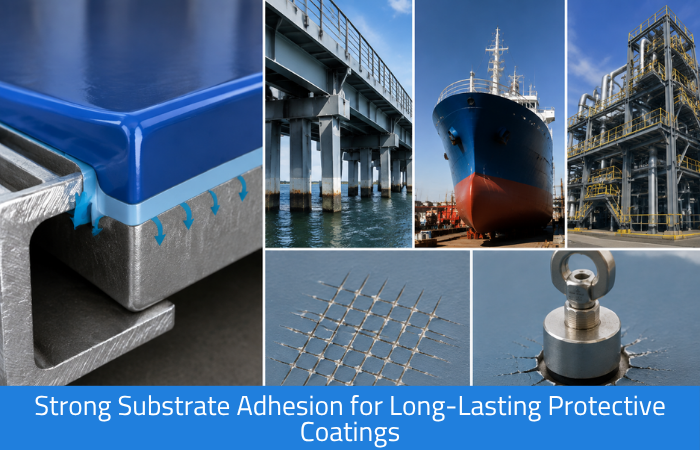
A major advantage of using reactive polyamide resin as an epoxy hardener is its strong adhesion to metallic substrates including mild steel, galvanized steel and aluminum. This adhesion profile makes it a common choice for anti corrosive primers and topcoats used in coastal construction, marine vessels and heavy engineering structures. Because polyamide cured systems tolerate marginally prepared surfaces better than many other hardeners, they reduce the risk of coating failure on site where perfect blast cleaning is not always achievable. When comparing suppliers, request adhesion test data measured according to standard cross hatch or pull off methods so the performance claims can be verified against your own substrate conditions.
Viscosity, Solvent Compatibility and Application Method
The viscosity of a reactive polyamide resin affects how easily it blends with epoxy resin and how the finished mixture behaves during spray, brush or roller application. Suppliers offer polyamide resin grades dissolved in different solvent systems such as xylene or n propanol to match various application methods and VOC requirements. Formulators developing high solids or low VOC coatings should confirm which polyamide resin supplier grades are compatible with their solvent blend and equipment, since mismatched viscosity can cause sagging on vertical surfaces or poor leveling on flat panels. Requesting a small trial batch before committing to bulk purchase is a practical way to confirm processing behavior under real plant conditions.
Evaluating a Reactive Polyamide Resin Manufacturer
Beyond the technical data sheet, the reliability of the polyamide resin manufacturer matters as much as the chemistry itself. Look for a reactive polyamide resin manufacturer with consistent production quality, dependable lead times and technical support that can help troubleshoot formulation issues. Tridev Group manufactures reactive polyamide resin used as an epoxy hardener across protective coatings, adhesives and marine paint applications, offering the anti corrosive performance that coastal construction and industrial coating projects demand. Working with an established polyamide resin manufacturer also means access to consistent batch documentation, which simplifies compliance and quality audits for coating applicators serving regulated industries such as oil and gas or infrastructure.
Cost Considerations Without Compromising Coating Performance
While price per kilogram is always part of the sourcing decision, the total cost of an epoxy hardener should be evaluated against coating lifespan, maintenance intervals and failure risk. A slightly higher priced reactive polyamide resin that delivers superior chemical resistance and adhesion can significantly reduce recoating frequency and downtime, which lowers the total cost of ownership for asset owners. Buyers comparing quotations from different polyamide resin suppliers should normalize pricing against solids content and amine value rather than comparing raw price per kilogram, since dilution differences can make an inferior product appear cheaper on paper. Factoring in freight, minimum order quantities and technical support responsiveness also gives a more accurate picture of long term value when comparing an epoxy hardener from an established polyamide resin manufacturer against a lesser known alternative.
Testing and Quality Verification Before Bulk Procurement
Before committing to large volume procurement, formulators should run laboratory scale trials with the shortlisted reactive polyamide resin to confirm gel time, pot life, hardness development and final film appearance. Standard tests include Gardner or Sward hardness after seven days, cross hatch adhesion, salt spray exposure for anti corrosive coatings, and solvent rub resistance for industrial floor and tank coatings. A trustworthy polyamide resin manufacturer will support this validation stage by providing sample quantities, method statements and technical guidance so the coating formulator can confirm performance under actual plant conditions rather than relying solely on the printed technical data sheet. Documenting these trial results also creates a reference baseline that quality teams can use during routine incoming material inspection once bulk supply begins.
Storage, Handling and Shelf Life of Reactive Polyamide Resin
Proper storage extends the usable life of any epoxy hardener and protects the consistency that formulators depend on. Reactive polyamide resin should be stored in tightly sealed containers away from moisture, since atmospheric humidity can react with free amine groups and gradually reduce curing efficiency. Extreme temperature swings during storage or transport can also increase viscosity or cause crystallization in some polyamide grades, so warehouses in hot climates should maintain shaded, ventilated storage areas. Reviewing the shelf life stated on the technical data sheet and rotating stock on a first in first out basis helps applicators avoid using aged material that no longer meets the original amine value specification, which in turn protects the quality of the final protective coating.
Selecting the right epoxy hardener for a protective coating project comes down to matching amine value, pot life, chemical resistance and substrate adhesion to the actual service conditions the coating will face. Reactive polyamide resin remains one of the most versatile and dependable choices for formulators working on anti corrosive primers, marine coatings and structural steel protection, and partnering with an experienced polyamide resin manufacturer such as Tridev Group ensures consistent quality across every batch used in your protective coating program.
- Polyurethane Resin in Flexible Packaging Inks: Performance Advantages
- Polyurethane Resin vs Acrylic Resin: Which Is Better for Industrial Coatings
- Role of Adhesion Promoters in High Speed Gravure Printing
- How Adhesion Promoters Improve Ink Adhesion on Difficult Plastic Substrates
- How Epoxy Hardeners Improve Chemical Resistance in Industrial Coatings