


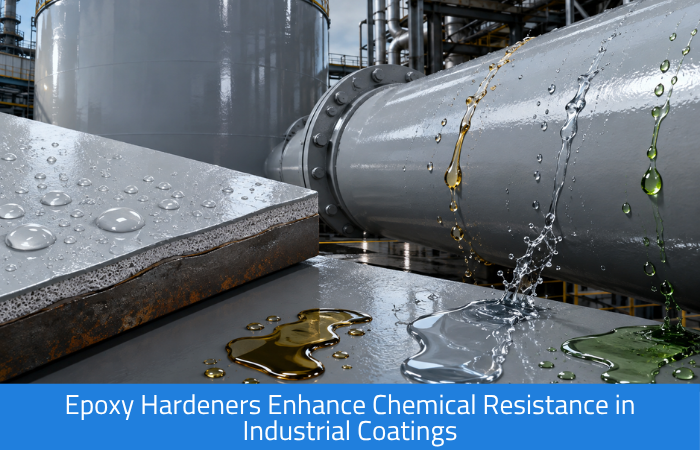
Industrial coatings are constantly exposed to fuels, solvents, mild acids, alkalis and moisture, and the chemical resistance of the finished film depends heavily on the epoxy hardener used to cure the resin. Reactive polyamide resin is one of the most widely used curing agents for building chemically resistant epoxy films, because its amide and amine functionality produces a dense, tightly crosslinked polymer network that limits the penetration of aggressive media. This article looks at how a polyamide curing agent contributes to chemical resistance, what factors influence performance, and how formulators can select the right reactive polyamide resin for demanding industrial environments.
How Crosslink Density Affects Chemical Resistance
Chemical resistance in an epoxy coating is primarily governed by crosslink density, which describes how tightly the polymer network is bonded together after curing. Reactive polyamide resin reacts with the epoxide groups of the base resin to form amide linkages throughout the film, creating a network that resists swelling and softening when exposed to chemicals. A higher degree of crosslinking generally means tighter molecular packing, which slows the diffusion of aggressive fluids into the coating. Formulators working with a reactive polyamide resin manufacturer should review the recommended stoichiometric ratio carefully, since under curing or over curing both reduce the crosslink density and weaken resistance to chemical attack, even when using a high quality polyamide resin.
Resistance to Water, Humidity and Salt Exposure
One of the defining strengths of epoxy polyamide coatings is their resistance to water and humid environments, which makes reactive polyamide resin a preferred epoxy hardener for marine paints, ship hulls and coastal infrastructure. Unlike some amine hardeners that can leave a slightly hydrophilic film, polyamide cured epoxy systems tend to resist water absorption well, reducing blistering and osmotic failure over long term immersion or humidity cycling. This property is especially valuable for anti corrosive primers used in the African and South Asian coastal construction markets, where salt laden air accelerates corrosion of unprotected steel. Selecting a reactive polyamide resin with proven salt spray performance helps asset owners extend maintenance intervals on structural steel and marine assets.
Performance Against Mild Acids and Alkalis
Industrial facilities such as chemical plants, water treatment units and food processing areas often require coatings that can withstand occasional exposure to mild acids and alkalis without degrading. Epoxy polyamide cured films generally offer good resistance to dilute alkaline cleaning agents and moderate acid splash, though continuous immersion in strong acids typically requires a different epoxy chemistry such as novolac systems. Formulators should always match the polyamide curing agent grade to the specific chemical exposure profile of the project, since resistance varies between polyamide grades depending on molecular weight and amine value. Requesting chemical resistance charts from the polyamide resin manufacturer before specifying a coating for a particular chemical environment avoids costly field failures.
Solvent and Fuel Resistance in Protective Coatings
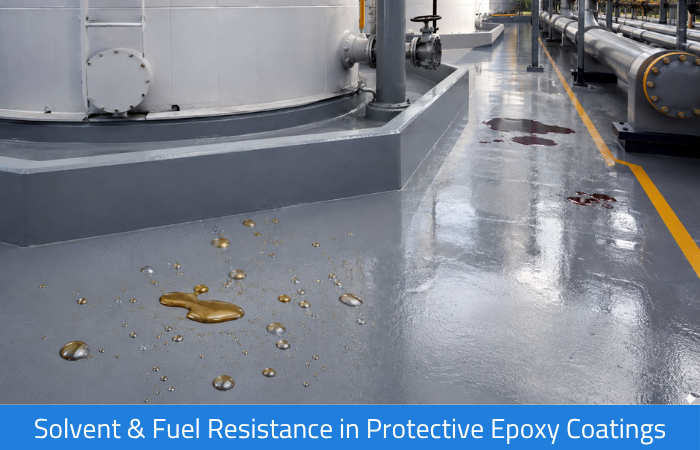
Tank linings, pipeline coatings and industrial flooring often need resistance to hydrocarbons, fuels and industrial solvents. Reactive polyamide resin cured epoxy coatings provide reasonable resistance to intermittent solvent contact and are commonly specified for secondary containment areas, fuel storage structures and industrial floor coatings where occasional spills occur. For continuous immersion service in aggressive solvents, formulators sometimes combine reactive polyamide resin with modified epoxy resins to further enhance chemical resistance while retaining the flexibility and adhesion benefits that polyamide curing agents are known for. Understanding the exact service condition, whether it is splash, spill or continuous immersion, guides the correct selection of hardener grade and film thickness.
Our Other Products
Titanium Acetylacetonate ChelateThe Role of Film Thickness and Application Quality
Even the best epoxy hardener cannot deliver full chemical resistance if the coating is applied too thin or with poor mixing. Reactive polyamide resin must be blended thoroughly with the epoxy resin at the correct ratio, and the coating must be applied at the recommended dry film thickness to achieve the barrier properties stated on the technical data sheet. Pinholes, uneven application or insufficient cure time before chemical exposure can all compromise resistance regardless of how good the underlying polyamide resin chemistry is. Applicators should follow the manufacturer’s recommended induction time, pot life and overcoat window closely, since these parameters are established specifically to allow the epoxy polyamide coating to reach optimal crosslink density before service begins.
Comparing Reactive Polyamide Resin With Other Curing Agents
Compared with aliphatic amine or cycloaliphatic amine hardeners, reactive polyamide resin often trades a small amount of raw chemical resistance for significantly better flexibility, impact resistance and tolerance to imperfect surface preparation. This makes it a practical choice for field applied protective coatings where perfect substrate conditions are hard to guarantee. Aromatic amine and phenalkamine hardeners may offer higher resistance in specific aggressive chemical environments but often at the cost of higher toxicity, stronger odor or reduced flexibility. Formulators should weigh these trade offs against the actual service environment rather than assuming that one curing chemistry is universally superior, since the correct choice depends on the specific combination of chemical exposure, temperature and mechanical stress the coating will experience.
Sourcing a Reliable Reactive Polyamide Resin Manufacturer
Because chemical resistance depends so heavily on consistent amine value and controlled molecular weight, sourcing from a dependable reactive polyamide resin manufacturer is essential for industrial coating formulators. Tridev Group produces reactive polyamide resin used as an epoxy hardener across industrial coatings, marine paints and structural adhesives, supporting formulators who need dependable chemical resistance performance batch after batch. Working with an established polyamide resin manufacturer also provides access to technical documentation and application guidance that helps coating formulators validate chemical resistance claims before large scale production begins, reducing the risk of costly reformulation later in the project.
Long Term Durability and Maintenance Considerations
Chemical resistance is not only about withstanding a single exposure event but about maintaining performance over years of service. Reactive polyamide resin cured coatings that are correctly formulated and applied tend to retain their barrier properties over extended maintenance cycles, reducing the frequency of recoating for industrial assets such as pipelines, tanks and structural steel. Periodic inspection for early signs of chalking, blistering or loss of gloss helps facility managers plan maintenance before chemical resistance is compromised, extending the effective service life of the protective coating system built on a reliable polyamide curing agent. Keeping a maintenance log that records inspection dates, exposure conditions and any early warning signs also helps asset owners build a data driven recoating schedule rather than reacting only after visible damage appears.
Environmental and Regulatory Considerations for Industrial Coatings
Many industrial facilities now operate under stricter environmental regulations that limit volatile organic compound content and require safer handling of curing agents. Reactive polyamide resin is generally considered a practical option in this context because it can be formulated into medium and high solids systems that reduce solvent emissions compared with older low solids epoxy coatings. Facility managers specifying chemically resistant coatings should confirm that the chosen epoxy hardener and its solvent carrier comply with local emission standards, and a responsible polyamide resin manufacturer will provide safety data sheets and regulatory documentation to support this compliance process during procurement and audit.
Testing Methods Used to Validate Chemical Resistance
Coating formulators typically validate chemical resistance through standardized laboratory tests before specifying a reactive polyamide resin for an industrial project. Common methods include spot testing with representative chemicals, immersion testing over set time periods, and salt spray chambers for corrosion resistance assessment. Weight change, gloss retention, hardness and adhesion are measured before and after exposure to quantify how well the polyamide cured epoxy film has held up. A polyamide resin manufacturer with an established testing laboratory can help formulators design a test matrix that reflects the actual chemicals and exposure duration expected in service, giving procurement teams confidence before committing to bulk purchase of the epoxy hardener.
Our Other Products
Rosin Modified Maleic ResinsMatching Reactive Polyamide Resin Grades to Specific Industries
Different industries place different demands on chemical resistance, and reactive polyamide resin is available in multiple grades to suit these varied requirements. Marine paint formulators often prioritize salt water and humidity resistance, while manufacturers of industrial flooring focus on resistance to oils, mild acids and mechanical abrasion. Structural steel primers used in petrochemical plants may need additional resistance to hydrocarbon vapor and occasional chemical splash. A knowledgeable reactive polyamide resin manufacturer can guide formulators toward the grade best suited to their industry, taking into account amine value, viscosity and solvent compatibility so the final epoxy polyamide coating performs reliably in its intended chemical environment.
Chemical resistance in industrial coatings ultimately depends on choosing the right epoxy hardener, applying it correctly and matching the polyamide curing agent grade to the actual exposure conditions the coating will face. Reactive polyamide resin remains a proven option for formulators seeking durable, chemically resistant epoxy films, and partnering with an experienced polyamide resin manufacturer such as Tridev Group ensures the consistency needed to protect industrial assets over the long term.
- Phenolic Resin Manufacturing Process: From Raw Material to Finished Product
- Questions to Ask a Phenolic Resin Manufacturer Before Placing an Order
- Alkyl Phenolic Resin vs Rosin Modified Phenolic Resin: What Is the Difference
- How Epoxy Hardeners Improve Chemical Resistance in Industrial Coatings
- Water Based Acrylic Resins vs Solvent Based Resins: Which Is Better