


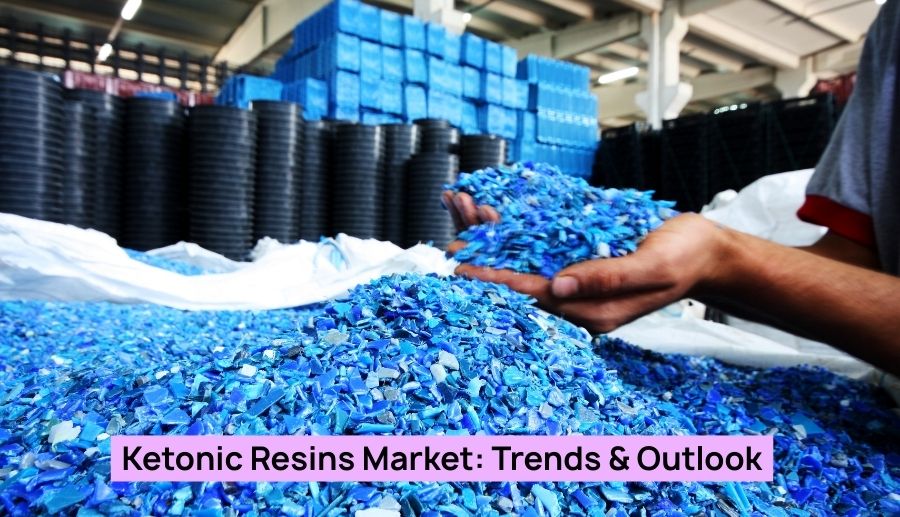
In recent years, the ketonic resin market has experienced a measurable evolution, influenced by innovations in coatings, adhesives and industrial surface treatments. Known for their superior gloss retention, hardness and compatibility with a wide range of polymers, synthetic ketonic resins are becoming integral in several niche applications. With rising industrialization, particularly in emerging economies, their adoption is expanding across geographies such as Europe, Russia, Uzbekistan, Brazil and Mexico. Understanding this growth pattern, alongside future potential, helps highlight where demand is escalating and what trends are shaping the future of the ketonic resin industry.

Ketonic Resins in Europe: A Mature Yet Evolving Market
Europe maintains a dominant role in the global synthetic ketonic resin market, underpinned by its robust manufacturing base and technological expertise in specialty chemicals. Countries such as Germany, France and Italy showcase strong demand across the automotive, industrial coatings and packaging sectors. This demand is primarily driven by ketonic resins’ chemical resistance and durability, making them suitable for high-performance coating formulations.
Technological advancements in resin synthesis have contributed to a steady interest in premium-grade formulations. Regulatory frameworks across Europe often emphasize performance and environmental safety. While these regulations may pose a challenge, they simultaneously drive the development of cleaner, more efficient resin blends. As such, ketonic resin manufacturers in Europe invest continuously in R&D, aiming to enhance product efficacy and widen their application scope.
The presence of a sophisticated industrial base and access to advanced infrastructure supports consistent procurement. Furthermore, price stability and predictable demand curves offer a balanced business environment for resin producers and users alike.
Russia and Uzbekistan: Growing Industrial Hubs with Rising Demand
In Russia, the synthetic ketonic resin market is witnessing growth linked to infrastructure modernization, oil & gas projects and local paint manufacturing. With many domestic industries shifting toward durable resin solutions, ketonic resin suppliers see an increase in bulk orders, particularly from regional construction and metal finishing sectors. Resin formulations that offer resistance to weathering and chemicals are especially valued in Russia’s varied climatic zones.
Uzbekistan, though a smaller player, is gradually emerging due to its industrial development policies and increasing foreign investment. The construction and transportation industries are the primary growth drivers here. As regional coatings manufacturers expand operations, the demand for synthetic resins with high adhesion and gloss features increases. The ketonic resin price remains a consideration in these markets and suppliers often tailor their offerings to meet regional affordability benchmarks without compromising performance.
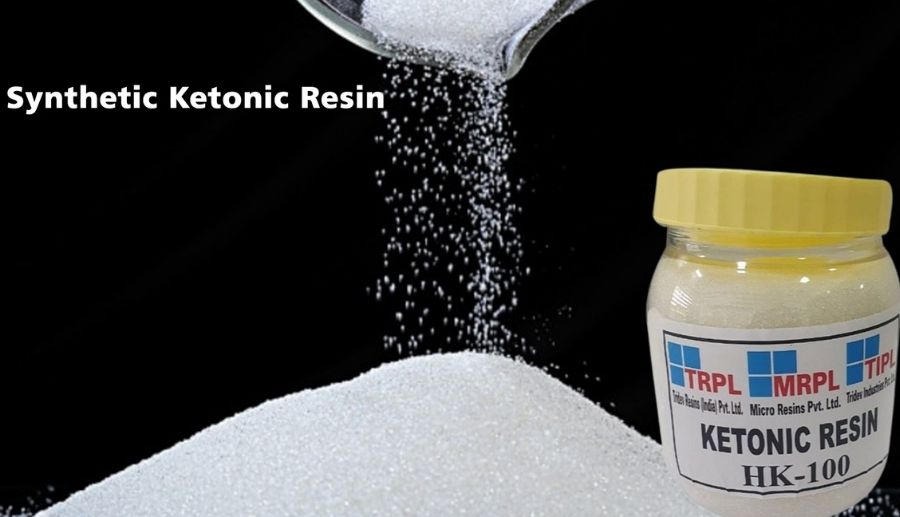
Brazil’s Coatings Sector Fueling Growth
In Brazil, the ketonic resin industry finds relevance in its expanding civil infrastructure, automotive refinishing and wood coatings sectors. Cities such as São Paulo and Campinas act as commercial and industrial nuclei where demand for high-performance coatings is robust. Brazil’s tropical climate also makes weather-resistant resin coatings a necessity, pushing formulators to select resins with superior UV and moisture resistance.
The market dynamics in Brazil reflect a balance between local resin production and strategic imports, enabling a flexible pricing strategy for businesses. Wholesale buyers often turn to ketonic resin wholesale suppliers who can guarantee consistency and scalability. Trends indicate an increased inclination towards resins compatible with waterborne systems, which aligns with Brazil’s evolving environmental preferences.
Moreover, Brazil’s active engagement in regional trade blocs makes it a distribution gateway to other South American economies, multiplying market access for resin producers.
Mexico’s Automotive and Industrial Demand on the Rise
In Mexico, demand for ketonic resin is tightly linked to the automotive sector and OEM manufacturing. As one of North America’s key production hubs, Mexico’s industrial base relies on materials that ensure long-lasting surface integrity. Ketonic resins offer adhesion enhancement and resistance against mechanical stress, making them a frequent choice for under-the-hood and exterior applications.
Cities like Monterrey and Guadalajara showcase concentrated industrial activities, with paint and coatings companies forming a strong part of the regional economy. The accessibility of ketonic resin suppliers and price-efficient options is a critical factor that influences buying behavior. The market also benefits from proximity to the U.S., allowing for efficient cross-border logistics and import of raw materials or semi-finished resin products.
Mexican buyers tend to prioritize value-driven resin grades and demand has been growing steadily for products that balance cost with technical performance. Forward-looking trends in the country suggest the rise of smart coatings and innovations in anticorrosion technologies, areas where synthetic ketonic resins continue to play a vital role.
Technological Advancements Driving Product Innovation
Innovation remains central to the future of the ketonic resin market. Advancements in polymer chemistry allow for greater customization of resin performance characteristics, such as hardness, gloss, flexibility and chemical resistance. These innovations help ketonic resins enter applications that were previously dominated by other resin types, particularly where superior performance under mechanical or thermal stress is essential.
Manufacturers are exploring ways to increase resin compatibility with both solvent-based and aqueous systems, expanding their usability across coating platforms. In doing so, they respond to global industry trends favoring high-performance yet adaptable formulations.
Emerging markets are especially receptive to modular resin solutions, which can be fine-tuned for use in diverse environments, from cold Russian winters to tropical Brazilian humidity.

Market Dynamics and Future Prospects
The overall ketonic resin industry is expected to see consistent expansion as industrial demand evolves across verticals such as construction, transportation, packaging and consumer goods. While North America and Europe continue to lead in terms of established consumption, emerging regions like Central Asia and Latin America present untapped potential, especially where infrastructure and manufacturing are experiencing accelerated growth.
One critical factor influencing this growth is the availability of ketonic resin manufacturers that offer technical support and formulation flexibility. Buyers now prioritize relationships with producers capable of adjusting resin properties to specific application needs.
Forecasts indicate moderate price stability, though localized fluctuations may occur due to raw material costs and regulatory shifts. Regardless, the long-term outlook remains positive, supported by technological innovation, regional diversification and expanding end-use applications.
Conclusion
The ketonic resin market represents a dynamic and steadily expanding segment within the global chemical industry. From the established precision of European industries to the high-growth opportunities in Russia, Uzbekistan, Brazil and Mexico, the trends suggest a geographically diverse and technically demanding future. As markets evolve, so too will the expectations from synthetic ketonic resins – not only in performance but also in adaptability.
Strategic investments in innovation, application development and regional partnerships may determine future market leadership. For now, the industry stands well-positioned to meet a variety of industrial coating and adhesive demands, with multiple regions actively shaping its next chapter.
- Phenolic Resin Manufacturing Process: From Raw Material to Finished Product
- Questions to Ask a Phenolic Resin Manufacturer Before Placing an Order
- Alkyl Phenol Formaldehyde Resins Market Demand in Asia and Middle East
- Alkyl Phenol Formaldehyde Resin vs Conventional Phenolic Resin
- What Is Alkyl Phenol Formaldehyde Resin and Where Is It Used