


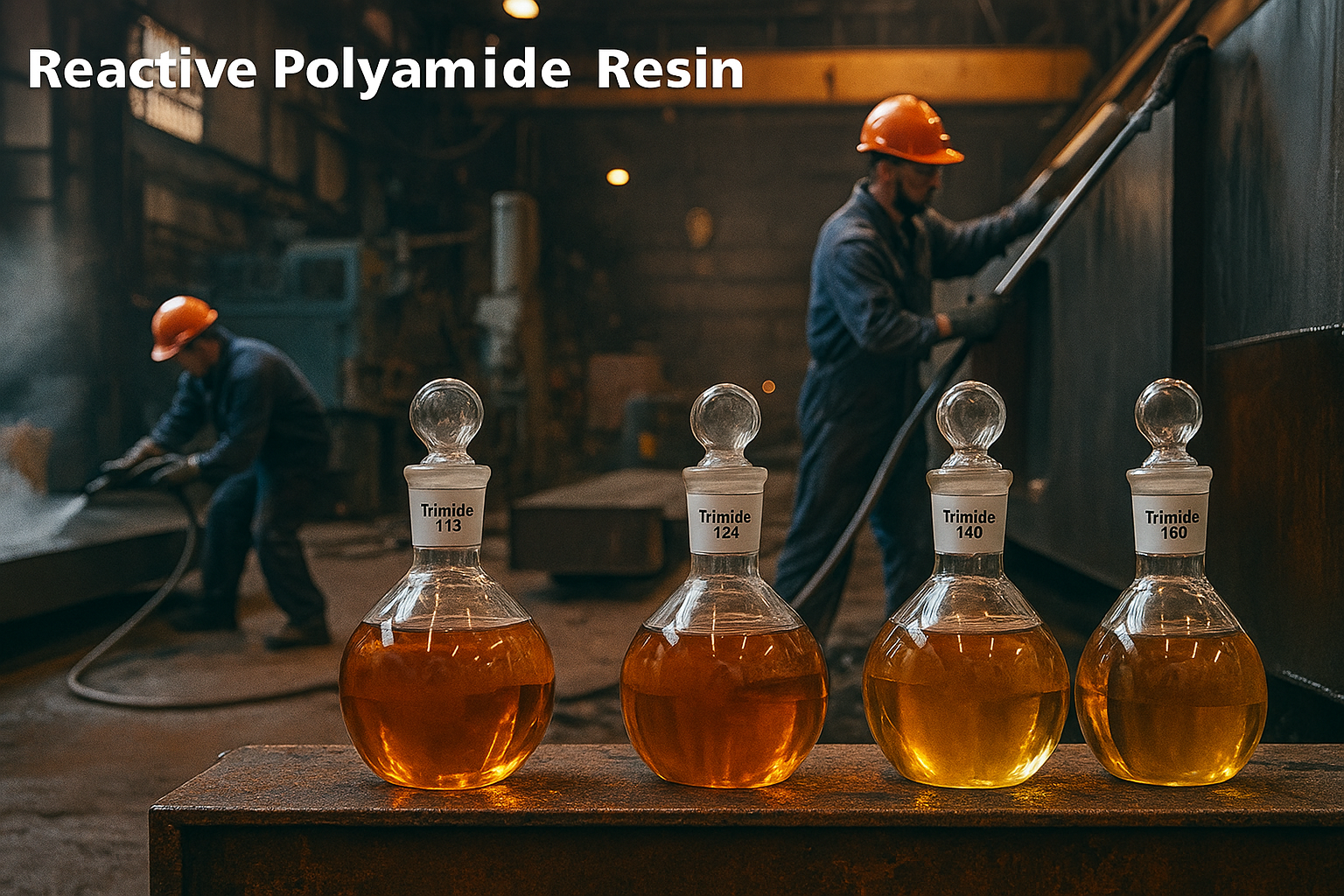
In the world of high-performance adhesives and protective coatings, curing agents play a critical role in determining the strength, flexibility, and durability of the final product. Among the various curing agents available, Reactive Polyamide Resin has emerged as a preferred choice for a wide range of applications including epoxy-based adhesives, maintenance coatings, tile grouts, and general-purpose bonding systems. Known for its excellent chemical resistance, mechanical strength, and adhesion properties, this resin delivers reliable results even in challenging environments. This article explores why reactive polyamide resins are highly favored across industries, delving into their features, advantages, and industrial relevance – framed through insightful questions for deeper understanding.

What Makes Reactive Polyamide Resin an Ideal Curing Agent for Epoxy-Based Adhesives?
Reactive polyamide resin is widely recognized for its excellent curing performance in epoxy-based adhesives due to its flexibility, strong adhesion, and chemical resistance. These properties are especially useful in bonding applications across various substrates like metal, wood, plastic, and composites.
How Does Reactive Polyamide Resin Enhance Performance in Maintenance Coatings?
In industrial and marine environments, maintenance coatings must withstand moisture, abrasion, and chemical exposure. Reactive polyamide resin improves corrosion resistance, adhesion strength, and flexibility, making it a go-to solution for protective coatings on steel and concrete surfaces.
Why Is Reactive Polyamide Resin Preferred in Tile Grout Formulations?
For epoxy-based tile grouts, reactive polyamide resin offers benefits such as resistance to water, stains, and chemicals, along with excellent adhesion to ceramic, glass, and natural stone surfaces. It ensures long-lasting joints in both indoor and outdoor applications.
How Does Reactive Polyamide Resin Contribute to General-Purpose Epoxy Adhesives?
General-purpose epoxy adhesives demand versatility and durability. Reactive polyamide resin enhances open time, workability, and curing strength, making it suitable for a wide range of DIY, construction, and repair applications.
What Are the Key Advantages of Using Reactive Polyamide Resins Over Non-Reactive Types?
Compared to Non-Reactive Polyamide Resin, reactive types actively participate in the curing process, resulting in stronger cross-linking, higher adhesion strength, and superior chemical resistance, essential in high-performance industrial applications.
Which Properties of Polyamide Resins Make Them Suitable for Harsh Environments?
Polyamide resins offer outstanding resistance to water, alkalis, and mild acids, along with good flexibility and impact resistance, making them suitable for challenging industrial and marine environments.
What Role Do Polyamide Resin Manufacturers Play in Ensuring Consistent Quality?
Leading polyamide resin manufacturers maintain strict quality control in molecular weight, viscosity, and amine values, ensuring consistency in performance across adhesive and coating applications. Global demand has pushed suppliers to focus on customization and R&D.
How Competitive Is the Polyamide Resin Market in Terms of Price and Supply?
As demand grows in sectors like construction, automotive, and marine, the polyamide resin price fluctuates based on raw material availability, region, and resin type (reactive or non-reactive). Sourcing from reliable exporters helps maintain cost-efficiency.
What Are the Limitations or Considerations When Using Reactive Polyamide Resin?
While highly effective, reactive polyamide resins may have limited pot life, require specific storage conditions, and may not suit alcohol-based systems like alcohol soluble polyamide resin used in inks or coatings. Choosing the right formulation is crucial.

How Can One Source High-Quality Reactive Polyamide Resin Globally?
Collaborating with reputed polyamide resin suppliers and exporters ensures access to high-purity grades, technical support, and compliance documentation—especially for industrial epoxy formulations.
Conclusion
The versatility and performance of Reactive Polyamide Resin make it a valuable asset in multiple sectors—from construction and maintenance to adhesives and coatings. Its ability to enhance curing, improve mechanical strength, and withstand harsh environmental conditions has made it the go-to curing agent for epoxy-based systems. Whether you’re a formulator, manufacturer, or end-user, understanding its functional properties and market dynamics is essential for making informed material choices. As demand continues to grow globally, selecting the right polyamide resin supplier or manufacturer will ensure consistent quality and long-term application success.
- PAINTINDIA 2026: Innovating the Future of Coating Technologies
- How the Indian Specialty Chemical Sector Navigated the 2025 US Tariff Crisis
- Synthetic Resin & Polymer Industry: From 2025 US Tariff Crisis to 2026 EU–India FTA
- Synthetic Resins for High-Performance Printing & Packaging: Reshaping the Global Ink Landscape
- Why Tridev’s Adhesion Promoters are the Safety Choice for EU Food Packaging Exporters? – Navigating the 2026 German Printing Ink Ordinance