


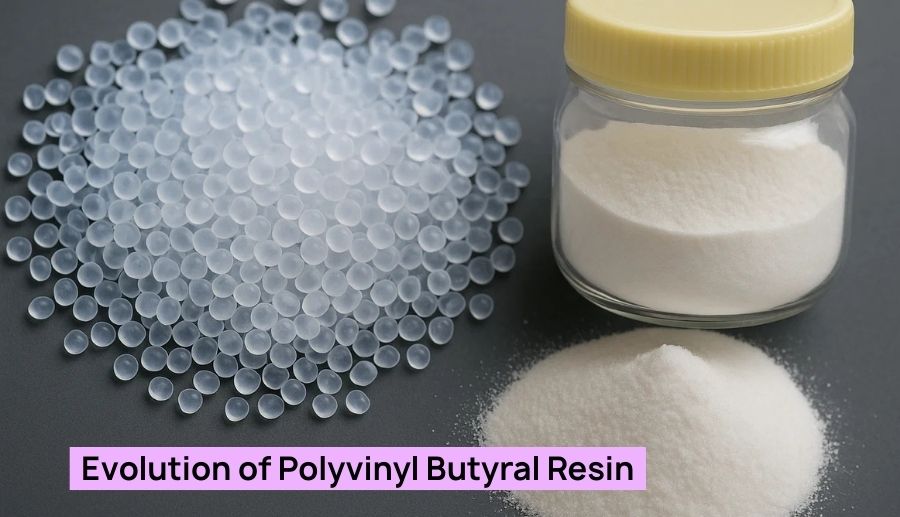
The increasing use of polyvinyl butyral resin in industrial sectors worldwide marks a turning point in advanced materials integration. Known for its superior adhesion, flexibility and optical clarity, polyvinyl butyral (PVB) has evolved from a specialized interlayer in automotive safety glass to a widely applied resin in coatings, adhesives, inks and electronics. As demand diversifies and industries modernize, PVB resin is witnessing a steady rise in both production and application scope.
Industrial sectors now rely on materials that deliver mechanical strength, thermal resistance and strong bonding across substrates. PVB meets these demands with its unique structural and chemical properties, making it essential for forward-looking applications in construction, mobility, electronics and specialty packaging. Global shifts in infrastructure investments, automotive safety and material innovation continue to position polyvinyl butyral resin as a high-performance material for modern industrial challenges.

What Are the Emerging Trends in Polyvinyl Butyral Resin Use?
Global demand for polyvinyl butyral is influenced by several key trends. First, the ongoing focus on safety and energy efficiency in buildings is increasing the use of laminated safety glass, where PVB resin acts as the binding layer. Its properties – clarity, toughness and resistance to weathering – make it ideal for structural glazing and impact-resistant glass.
In the automotive sector, as vehicles integrate larger and more complex glass panels, the need for high-quality interlayers like polyvinyl butyral (PVB) rises. Innovations in windshield design and acoustic dampening are also fueling this demand.
Beyond these, PVB’s role is expanding into specialty coatings, printing inks, primers and varnishes, where its adhesion and film-forming abilities are vital. As manufacturers seek materials that offer multifunctionality without compromising durability, polyvinyl butyral resin uses are extending into electronics and flexible devices as well.
How Is Saudi Arabia Adopting PVB Resin in Its Industrial Expansion?
Saudi Arabia is experiencing a surge in industrialization and urban development. High-rise buildings, commercial complexes and mega infrastructure projects across the country are leading to increased use of laminated safety glass. This is directly linked to the growing need for polyvinyl butyral resin in the construction sector.
In addition, efforts to develop domestic manufacturing capabilities are prompting discussions around local production of specialty polymers, including PVB. By reducing dependence on imported materials, industries in Saudi Arabia can gain better control over supply chains, product quality and cost efficiency.
The growing interest in glass processing technologies, coatings and protective laminates also points to a steady rise in demand for polyvinyl butyral resin suppliers who can meet industry-specific requirements. From architectural glazing to specialty coatings, the material is gaining ground as a dependable industrial solution.
What Role Does Dubai Play in the Regional PVB Resin Market?
Dubai continues to be a hub of architectural innovation, where aesthetic and structural demands converge. The city’s iconic skyline, featuring a mix of ultra-modern towers and glass façades, showcases the widespread use of laminated and acoustic glass – applications where polyvinyl butyral is indispensable.
With the UAE’s emphasis on real estate, tourism infrastructure and luxury commercial developments, demand for high-clarity, impact-resistant glass is on the rise. This translates into a growing market for polyvinyl butyral resin manufacturers who can deliver consistent quality and adaptable product grades.
Moreover, Dubai’s role as a logistics and trade gateway enables regional distribution of PVB products to neighboring markets. This makes the city a strategic base for resin converters, processors and applicators.
Is Indonesia Becoming a Strategic Market for Polyvinyl Butyral?
Indonesia’s growing automotive manufacturing and construction sectors are two major drivers for the use of polyvinyl butyral resin. The increasing production of domestic and export vehicles means more laminated glass is being integrated into windshields and side panels, thereby boosting demand for high-performance interlayers.
Urbanization and infrastructural investments in major cities also lead to higher consumption of building materials that ensure safety and aesthetic appeal. PVB’s role in architectural glazing and protective coatings fits seamlessly into these trends.
Another factor supporting growth in Indonesia is its developing industrial base, which increasingly seeks reliable raw material sources. As demand for localized resin supply increases, opportunities arise for polyvinyl butyral offer regionally optimized formulations and delivery.
What Opportunities Does Lebanon Offer for PVB Resin Use?
Lebanon, though smaller in industrial scale, is focused on rebuilding and upgrading its infrastructure. Refurbishment of buildings and transportation systems has created pockets of opportunity for advanced materials. Its utility in window safety glass and interior coatings supports both functionality and design.
The demand for versatile adhesives, binders and primers in Lebanon’s coatings and printing sectors opens another avenue for PVB applications. In smaller markets like this, custom-tailored solutions and technical support often play a crucial role, giving an edge to suppliers who provide application-specific products.
What Are the Key Industrial Requirements Shaping PVB Resin Use?
Across all regions, industries expect materials that combine mechanical performance, longevity and adaptability. Polyvinyl butyral resin fulfills these expectations in several ways:
- Adhesion: Excellent bonding to substrates such as glass, aluminum and plastic.
- Film Formation: Smooth, uniform films that provide visual and functional consistency.
- Flexibility: Suitable for both rigid and flexible applications, especially in coatings and electronics.
- Solubility: Compatibility with alcohol-based solvents aids in formulation versatility.
- Durability: Strong resistance to UV, humidity and chemicals supports long-term usage.
These features ensure that polyvinyl butyral uses remain diverse and continue to expand into new industrial domains.

Conclusion
The global market outlook for polyvinyl butyral resin highlights a landscape of continued expansion and innovation. From skyscraper glazing in Dubai to vehicle safety glass in Indonesia and from construction renewal in Lebanon to industrial growth in Saudi Arabia, PVB is meeting the demands of diverse applications.
Its versatility, performance reliability and adaptability to industry-specific challenges make polyvinyl butyral resin an essential material for the future. With regional markets showing strong signs of investment and material adoption, opportunities abound for those who can deliver quality, consistency and custom solutions.
- PAINTINDIA 2026: Innovating the Future of Coating Technologies
- How the Indian Specialty Chemical Sector Navigated the 2025 US Tariff Crisis
- Synthetic Resin & Polymer Industry: From 2025 US Tariff Crisis to 2026 EU–India FTA
- Synthetic Resins for High-Performance Printing & Packaging: Reshaping the Global Ink Landscape
- Why Tridev’s Adhesion Promoters are the Safety Choice for EU Food Packaging Exporters? – Navigating the 2026 German Printing Ink Ordinance