


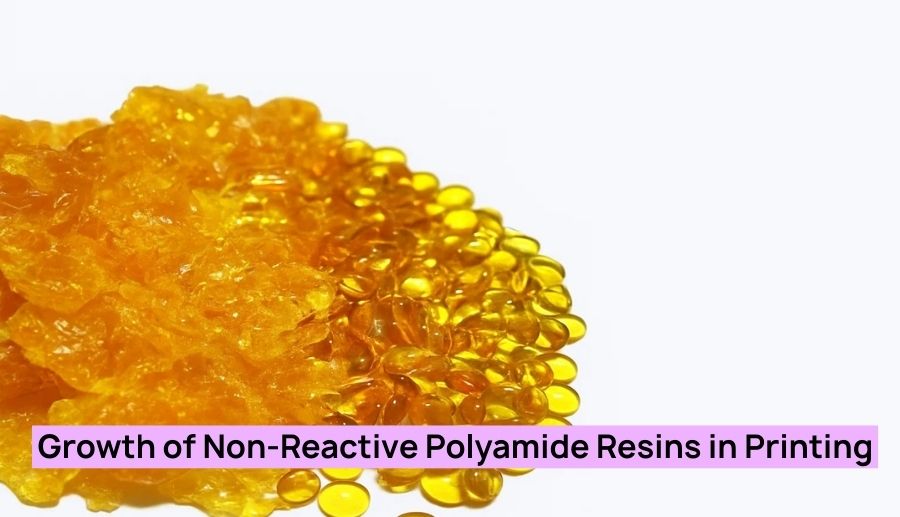
The packaging and printing industries are witnessing significant evolution in material preferences, particularly in the adoption of high-performance synthetic resins. Among these, non-reactive polyamide resins have emerged as a cornerstone in flexographic and gravure printing due to their distinctive balance of flexibility, adhesion and solvent compatibility. As product presentation and brand aesthetics become increasingly vital across global markets, the demand for print clarity, film integrity and fast processing continues to grow. This shift has propelled the relevance of polyamide resins, including variants such as cosolvent polyamide resin, across diverse substrates and ink systems.
From general-purpose printing to demanding packaging environments, polyamide epoxy and associated grades are gaining recognition for their reliability, adaptability and performance advantages. This article examines the key factors behind the growing popularity of non-reactive polyamide resins and how they are reshaping the printing and packaging landscape.

What Makes Non-Reactive Polyamide Resins Essential for Modern Printing?
In printing technologies – especially flexo and gravure – materials must deliver not only visual impact but also durability and compatibility with high-speed processes. Non-reactive polyamide resins stand out in these environments by providing fast drying times, excellent adhesion to multiple surfaces and superior solubility in alcohol-based solvents. Their thermoplastic nature allows them to form flexible films without undergoing chemical curing, making them highly effective in applications requiring rapid film formation and solvent evaporation.
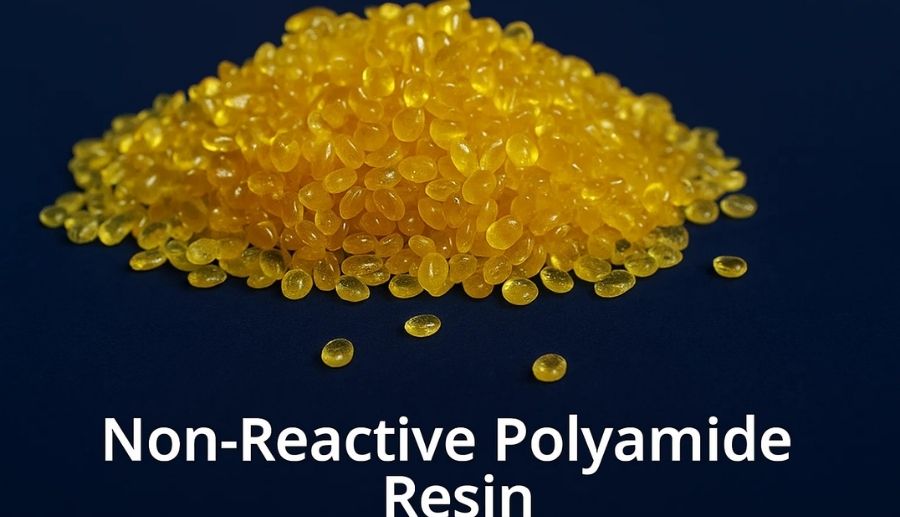
Because these resins do not chemically crosslink, they retain their solubility in compatible solvents even after drying, which aids in post-processing or re-coating. This property makes them particularly well-suited for layered printing applications and surface-sensitive substrates like untreated polyethylene (PE), polypropylene (PP) and high-density polyethylene (HDPE) – commonly found in flexible packaging.
Additionally, modern formulations of polyamide resins can be customized to meet specific viscosity, softening point and wetting parameters, offering formulation flexibility for converters and ink manufacturers. This makes them an integral component of optimized ink systems that must adapt to diverse printing surfaces and operational conditions.
How Do Polyamide Resins Enhance Performance in Packaging Inks?
In the packaging sector, print durability, resistance to handling and visual quality are critical. Polyamide resin uses in packaging inks span from food-grade labeling to industrial pouches, where consistent adhesion and clarity are non-negotiable. One of the key benefits of using non-reactive resins in this domain is their ability to maintain excellent adhesion on untreated plastic films without the need for corona or flame treatments.
This adhesion performance, paired with strong film formation, ensures that printed designs do not peel, smear or degrade during storage, transport or usage. Packaging materials frequently endure moisture, temperature shifts and mechanical stress. In these scenarios, resin polyamide provides the right balance of elasticity and surface affinity, protecting printed elements from delamination and abrasion.
Moreover, cosolvent polyamide resins, which dissolve in both alcohols and hydrocarbons, offer versatility in formulation. This dual solubility ensures consistent ink behavior across varying solvent blends and press conditions, making them ideal for environments where solvent quality or composition may vary.
Why Is the Market Demand for Polyamide Resins Increasing in Printing Applications?
The surge in demand for polyamide resins in printing correlates directly with the rise in flexible packaging and the need for high-speed, high-fidelity printing systems. Non-reactive polyamides allow printers to operate efficiently under tight deadlines without compromising ink quality. Their quick solvent release and low-temperature drying enable faster line speeds, which are crucial for mass production.
In addition to their processability, polyamide resins exhibit excellent pigment compatibility, allowing for vivid, sharp and high-density color reproduction. This characteristic is invaluable in brand-sensitive markets such as FMCG and pharmaceuticals, where packaging serves both functional and marketing purposes.
From a cost-efficiency standpoint, the relatively stable polyamide resin price supports widespread adoption without significantly impacting formulation economics. This affordability, combined with technical reliability, makes polyamides the resin of choice in markets demanding scalability and performance.
How Are Emerging Markets Driving Demand?
- Brazil: Expanding e-commerce and food packaging sectors fuel growth, supported by local converters requiring dependable ink performance on films.
- South Africa: Strong demand for durable labels and printed materials in the consumer goods and agricultural sectors positions non‑reactive resins as a preferred option.
- Egypt: Industrial and retail packaging use rises in Cairo and Alexandria and cold-chain goods boost demand for frost-resistant print films.
These regional gains reflect a broader trend: as packaging sophistication increases globally, the demand for reliable, flexible resins like polyamide epoxy blends grows in tandem.
What Role Do Polyamide Resins Play in Extreme Packaging Environments?
Modern packaging solutions are not limited to ambient storage. Products now must perform under deep-freeze, high-humidity or outdoor exposure. Polyamide resins, especially in non-reactive formulations, are engineered to endure these environments without compromising visual or structural integrity.
Advanced grades offer resistance to freeze-thaw cycles, ensuring that ink layers remain stable and flexible even at sub-zero temperatures. This is particularly relevant in frozen food packaging and medical supply labeling, where ink failure can compromise safety and usability.
Additionally, polyamide epoxy blends may be used where additional abrasion resistance is required without introducing crosslinking reactions. These hybrid systems allow converters to balance resilience with cost, opening up opportunities in semi-rigid packaging and specialty coatings.
How Are Cosolvent Polyamide Resins Addressing Formulation Challenges?
One of the persistent challenges in ink formulation is achieving stability and consistent performance across varying press environments. Cosolvent polyamide resins help bridge this gap by enabling balanced solubility profiles that perform well across alcohol- and hydrocarbon-rich systems.
Their adaptability allows formulators to maintain viscosity control, print sharpness and solvent evaporation rates even when printing conditions fluctuate. In high-humidity zones or during seasonal solvent supply changes, this flexibility can be the difference between successful production and costly delays.
Additionally, cosolvent systems support layering techniques, where inks must interact without bleeding or ghosting. This improves the overall aesthetic of printed packaging and reduces material wastage due to print inconsistencies.

What Innovations Are Shaping the Future of Polyamide Resin Use in Packaging?
The field of polyamide resin uses is continuously expanding, driven by the demands for improved functionality and regulatory compliance. Innovations are focusing on:
- Molecular tailoring to fine-tune adhesion, gloss and viscosity
- Low odor and low migration versions for food-contact safety
- Eco-compatible solvents compatibility without sacrificing performance
- Enhanced pigment dispersion for bolder color reproduction
- Specialized surface tension control for premium finishes
As packaging and label converters seek differentiated products, polyamide resins will continue to play a pivotal role in the creation of inks and coatings that are as visually compelling as they are structurally dependable.
Conclusion
The growth of non-reactive polyamide resins in the packaging and printing sectors is a reflection of their unmatched adaptability, process efficiency and performance reliability. Whether used in high-speed flexographic presses or precision gravure systems, these resins enable converters and formulators to meet market expectations for visual quality, durability and fast turnaround.
Through innovative variations, the material continues to evolve alongside the needs of modern packaging formats. With a favorable polyamide resin price structure and growing global demand, these resins are set to remain indispensable in the technical backbone of advanced ink and coating solutions.
- PAINTINDIA 2026: Innovating the Future of Coating Technologies
- How the Indian Specialty Chemical Sector Navigated the 2025 US Tariff Crisis
- Synthetic Resin & Polymer Industry: From 2025 US Tariff Crisis to 2026 EU–India FTA
- Synthetic Resins for High-Performance Printing & Packaging: Reshaping the Global Ink Landscape
- Why Tridev’s Adhesion Promoters are the Safety Choice for EU Food Packaging Exporters? – Navigating the 2026 German Printing Ink Ordinance