


Water Base Acrylic Emulsion HICOAT-61 to Optimize Ink Stability in Central Asian Climates
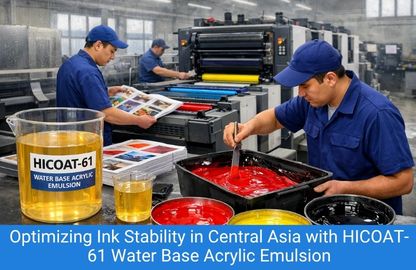
Central Asia, with its diverse climates ranging from harsh deserts to mountainous regions, presents unique challenges for the printing industry.
How Water Base Acrylic Emulsion HICOAT-89 Meets the Demands of the Russian Packaging Sector

Introduction As the packaging industry in Russia continues to expand, the demand for high-quality, sustainable, and durable coatings has risen. Packaging companies, especially those working with water-based flexographic and gravure-printing inks, are increasingly turning to Water Base Acrylic Emulsion HICOAT-89 . This binder, with 47+/-2 % solid content, offers significant advantages for the production of superior […]
Industrial Applications of Water-Based Acrylic Emulsions: Performance, Properties, and Uses of HICOAT Series
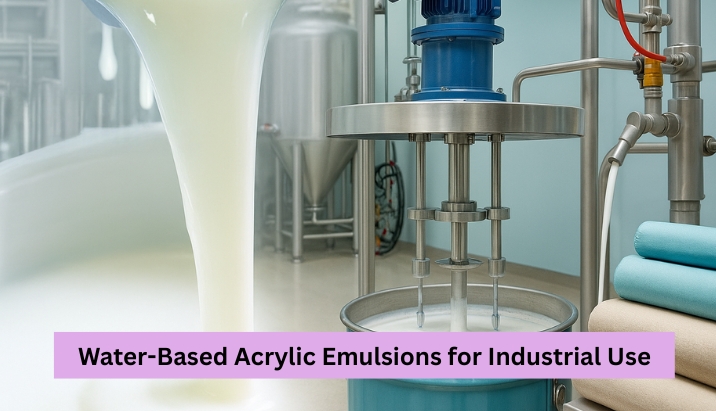
The Rising Demand for Water-Based Acrylic Emulsions in Industrial Applications Across the industrial coatings and printing sectors, the shift toward water-based acrylic emulsions has become a defining movement in recent years. Driven by environmental regulations, performance demands, and evolving sustainability goals, manufacturers and converters are seeking advanced binders and coating resins that deliver both technical […]
Water-Based Acrylic Emulsions Dual Protection: Abrasion Resistance and Bio-Shielding for Coatings
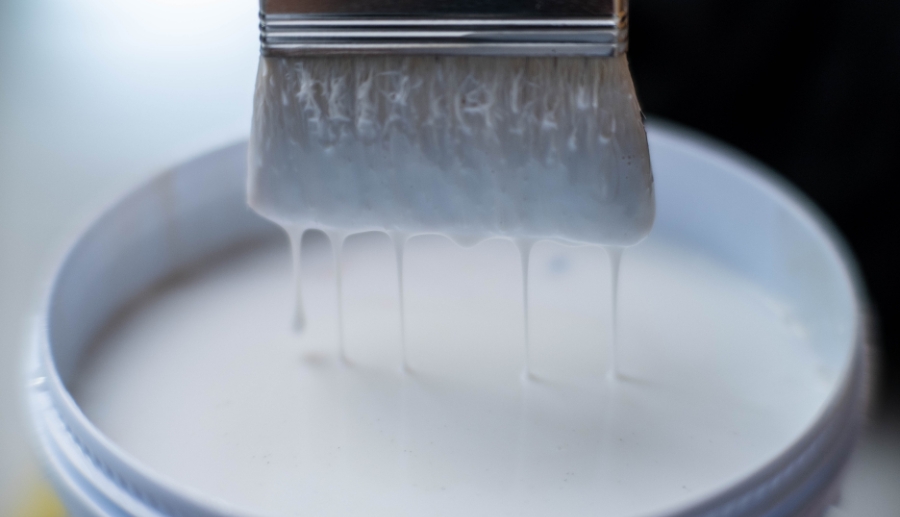
In the coatings industry, performance expectations have evolved far beyond just color and finish. Today, a coating must endure high foot traffic, frequent cleaning and exposure to moisture or microbial contaminants. Whether applied on residential walls, commercial flooring or exterior surfaces, the need for abrasion resistance and bio-shielding is more critical than ever. One of […]
How Different Solid Content Levels in Water-Based Acrylic Emulsion Affect Performance?
Water Base Acrylic Emulsions have become a preferred choice across coatings, paints and varnish applications due to their low VOC content, superior adhesion and compatibility with a wide range of substrates. One key aspect that determines its performance characteristics is solid content – the proportion of non-volatile matter in the emulsion. This article explores how […]